

Choosing which city to visit in Germany for your first trip isn't always easy: whether you're drawn to a history-packed capital, a Bavarian city, a northern port, a medieval town, or a romantic getaway, each destination offers a very different experience.
This guide will help you find the German city that best suits your travel style, depending on what you want from your trip, how much time you have, and how you like to travel, rather than simply ranking the "most beautiful cities in Germany." From Berlin and Munich to Nuremberg, Hamburg, Cologne, Dresden, and Heidelberg, each city shows you a different side of the country and can work very well for a first city break in Germany.
- For a first trip focused on contemporary history and culture, Berlin remains the natural choice, with an exceptional concentration of museums, memorials, and diverse districts.
- If Germany makes you think of beer gardens, colorful houses and mountains, Munich is a great choice for a first trip and offers an ideal introduction to Bavarian culture.
- If you want medieval charm alongside 20th-century history without the scale of a capital, Nuremberg is a strong option, especially if you enjoy compact old towns.
- If a maritime atmosphere appeals to you more, with contemporary architecture and alternative neighborhoods, Hamburg is an excellent choice if you want to see a side of Germany far removed from Bavarian and medieval stereotypes.
- For a short and easily accessible city break centered around the Rhine, Cologne is great for a 2- to 3-day trip.
- If you are mainly drawn to architecture, museums, and heritage, Dresden offers a very different side of Germany, shaped by the reconstruction of its historic downtown.
- If you are primarily looking for a romantic getaway and a smaller, more intimate city, Heidelberg is an excellent gateway to Germany.
- Which city should you choose for your first trip to Germany?
- Berlin, for a first trip combining history and culture
- Munich, to discover a more traditional Germany
- Nuremberg, to combine a medieval city and contemporary history
- Hamburg, to discover Germany by the sea
- Cologne, for a city trip on the banks of the Rhine
- Dresden, for heritage and museums
- Heidelberg, for a first romantic getaway in Germany
- How many days to plan for a first trip to Germany?
- How to prepare a first city break in Germany?
- The traveler's memo for a first trip to Germany
Which city should you choose for your first trip to Germany?
To choose the right city for your first visit to Germany, start by asking yourself what you want from the trip: delving into the country's recent history, discovering Bavarian culture, strolling through a medieval old town, exploring a major port, or enjoying a romantic getaway. Each of these seven cities offers a very different experience, as shown in this table.
| When to choose this city? | City | Best for… | Recommended stay |
|---|---|---|---|
| You want a comprehensive introduction to Germany, focused on modern history and culture. | Berlin | History of World War II and the Cold War, museums, cultural life, very varied neighborhoods. | 3 to 5 days to really enjoy it, at least 3 full days. |
| You dream of Bavaria, beer halls, and a major city at the foot of the Alps. | Munich | Historic downtown, Bavarian way of life, parks, proximity to the Alps and castles. | 3 to 4 days, more if you are planning excursions. |
| You like medieval old towns and also want to understand 20th-century history. | Nuremberg | Ramparts, castle, market, sites linked to the Third Reich and the Nuremberg Trials. | 2 to 3 days, possibly combined with Munich. |
| You want to discover a major port city and Germany's maritime north. | Hamburg | Port, Speicherstadt, Elbphilharmonie, maritime atmosphere and alternative neighborhoods. | 2 to 3 days for a good overview. |
| You are looking for an easy-to-reach city break, centered around the Rhine and a large cathedral. | Cologne | Cathedral, walk along the Rhine, museums, friendly atmosphere. | 2 to 3 days, ideal for a long weekend. |
| You are drawn to baroque architecture, museums, and a city rebuilt after the war. | Dresden | Frauenkirche, Zwinger, art collections, banks of the Elbe. | 2 to 3 days, more if you add Saxon Switzerland. |
| You prefer a small romantic and compact town rather than a large metropolis. | Heidelberg | Castle, old town, Neckar, walks, and university atmosphere. | 1 to 2 days, often combined with another destination. |
Berlin, for a first trip combining history and culture
Berlin is a great choice for a first trip to Germany if you want to understand the country's recent history and enjoy a huge range of cultural attractions, while discovering neighborhoods with very different atmospheres. The city lets you experience the history of World War II, the division of East and West Berlin, and reunification firsthand, but also a very lively art and music scene.
In Berlin, you are quickly struck by the way history and everyday life intertwine on every street corner: a preserved section of the Wall along a modern avenue, a memorial just off a square, vast museums a few minutes away from trendy cafés. Berlin takes some energy to explore, but more than rewards your curiosity.
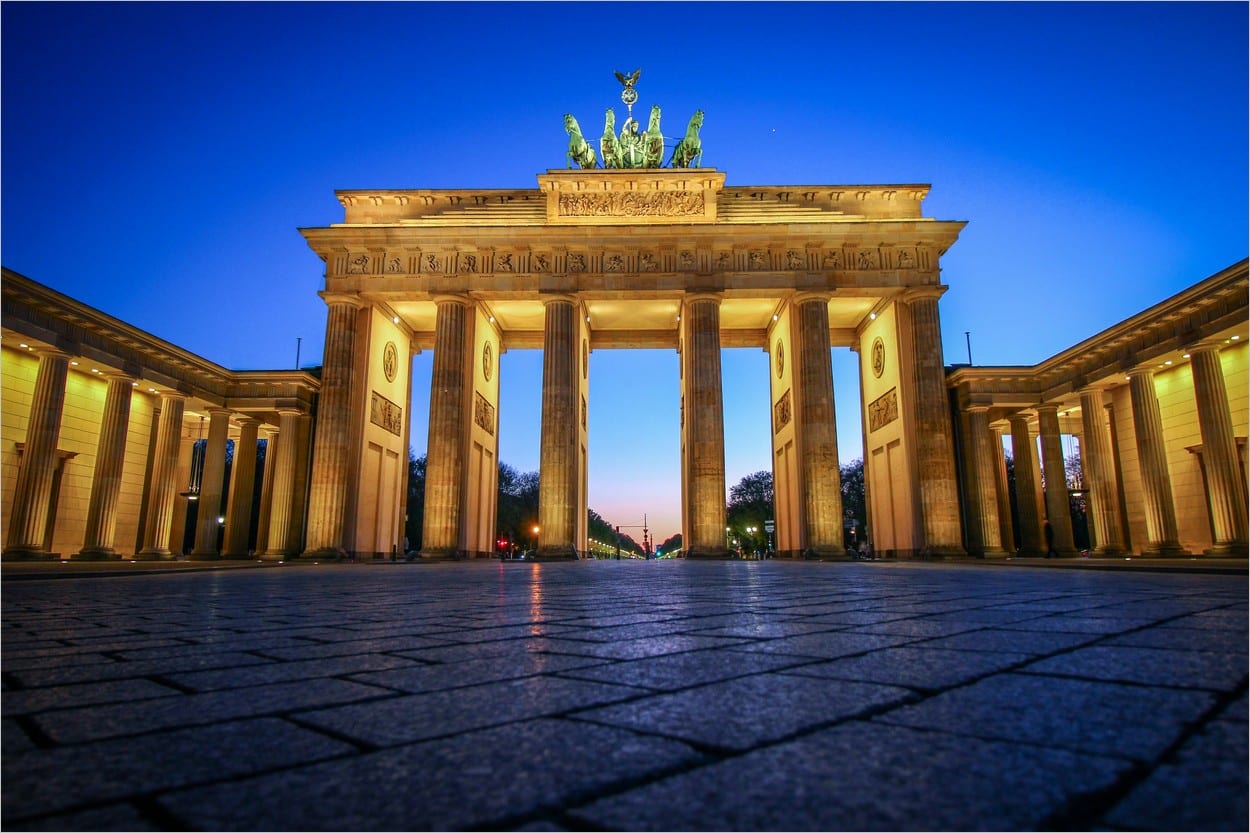
Many of Berlin's most iconic landmarks are clustered around the Brandenburg Gate and the Reichstag. The Brandenburg Gate is both one of Berlin's most iconic monuments and a major gathering place. The Reichstag building, home to the Bundestag, impresses with its glass dome designed by Norman Foster, which you can visit for free with a reservation. Visiting the dome gives you a sense of the scale of the city, with a 360° view of Berlin and a very clear presentation of how German democracy works.
To get a visual sense of how the city was divided, the remains of the Berlin Wall are essential. The East Side Gallery, along the Spree, features a long section of the Wall covered with colorful murals created after reunification. The atmosphere there is more vibrant and forward-looking. By contrast, the memorial on Bernauer Strasse has a more sober and explanatory tone, with panels, eyewitness accounts, and a stretch of Wall left in its original state. Together, they give you two very different perspectives on the Wall, especially on a first trip.
The city is also a paradise for museum lovers. Museum Island, a UNESCO World Heritage Site, brings together five major national museums on the banks of the Spree: the Pergamonmuseum (partially under renovation depending on the period), the Neues Museum, the Altes Museum, the Alte Nationalgalerie, and the Bode-Museum. Even without visiting everything, walking around the island gives you a sense of the richness of Berlin's heritage. If you enjoy contemporary history, you might also consider the Topography of Terror, the Jewish Museum, or the House of the Wannsee Conference, depending on your interests.
- Reichstag, dome and government district guided tour - The easiest way to get inside the dome without handling the reservation yourself.
- Third Reich and Cold War walking tour - Two hours on foot between the Brandenburg Gate, a surviving stretch of the Wall and Checkpoint Charlie.
- Museum Island multi-museum entry ticket - One ticket for the whole island, valid the same day, which saves you from choosing in advance.
- Potsdam and Sanssouci Palace day trip - The natural fourth or fifth day, with palace entry included.
With so many sites tied to modern European history, Berlin attracts very different audiences. It is no coincidence that the capital regularly appears among the destinations chosen for a school trip to Germany: between the Berlin Wall, memorial sites, museums, and political institutions, the city lets you explore several major periods of contemporary history firsthand. Even on an individual trip, the city can feel like an open-air history classroom, with explanatory panels and themed routes almost everywhere.
Beyond history, Berlin also has a strong neighborhood culture. The areas around Hackescher Markt and Prenzlauer Berg are often appealing for their cafés, shops, and inner courtyards. Kreuzberg and Neukölln reveal a more alternative and multicultural side of the city, with varied food options and repurposed industrial spaces. This gives you a glimpse of Germany beyond the usual Bavarian clichés.
For a first trip, I would recommend planning at least 3 full days in Berlin so you have time to combine major sights, museums, and neighborhood walks without rushing from one monument to the next. If you have 4 or 5 days, you can add an excursion to Potsdam or delve deeper into a theme that matters to you, such as contemporary art or Holocaust remembrance.
Munich, to discover a more traditional Germany
Munich is a great choice for a first trip if your image of Germany is shaped by Bavaria: breweries, colorful houses, beautiful monuments, mountains in the background, and a more relaxed pace of life than in Berlin. Munich offers a good balance between heritage, lifestyle, and access to nature.
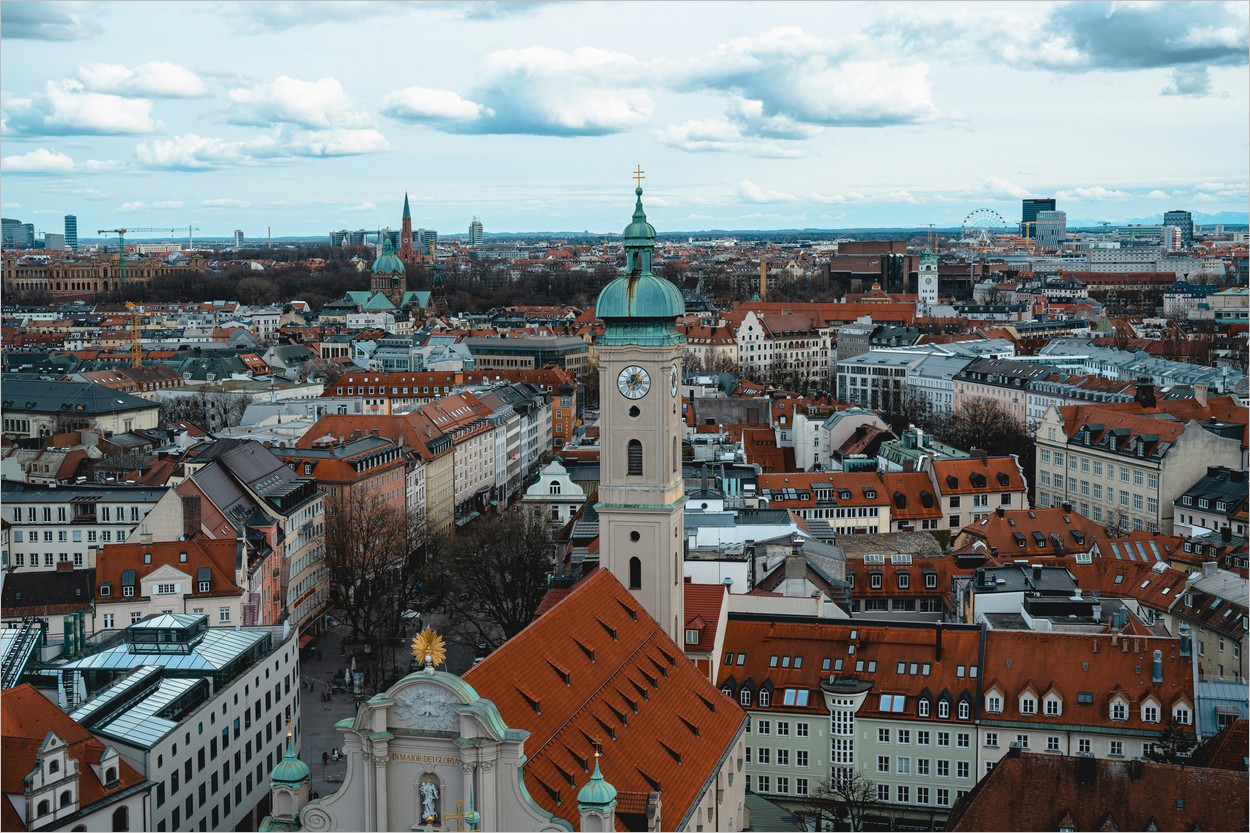
As soon as you arrive on Marienplatz, you'll feel like you're in a Bavarian postcard: the neo-Gothic City Hall with its glockenspiel, the pastel facades, the nearby churches, the outdoor cafés and terraces where locals stop for coffee or a beer. The historic downtown is very easy to explore on foot, with shopping streets, lively squares, and markets such as the Viktualienmarkt, ideal for tasting a few local specialties.
Munich's more traditional side comes through in landmarks such as the Residenz, the former residence of the dukes and kings of Bavaria. This vast complex of rooms, courtyards, and collections gives you a sense of the wealth and power of Bavaria's rulers. A few minutes away, the English Garden offers a real breath of fresh air: this huge park, crossed by streams, is perfect for taking a quiet break, watching the surfers on the artificial wave, or sitting down in a beer garden under the trees.
Munich also has very good museums, especially if you're interested in art and architecture: the Neue Pinakothek and the Alte Pinakothek for painting, the Pinakothek der Moderne for modern art and design. The BMW Museum, near the Olympic Park, attracts fans of cars and industrial design. For a first trip, you don't need to try to do everything: choosing one or two museums according to your tastes is more than enough.
- Old Town and Viktualienmarkt walking tour - Marienplatz, the market and the Hofbräuhaus with a guide who explains the Bavarian habits behind them.
- Alte Pinakothek skip-the-line guided tour - Seven hundred paintings are a lot to face alone; a guided hour is the better way in.
- Beer halls and breweries guided tour - Three hours and two beers, including Germany's oldest commercial brewery, which beats walking into the Hofbräuhaus cold.
- Neuschwanstein Castle day trip by train - The castle sells out weeks ahead in summer, and the organised day trip spares you the timed-entry puzzle.
The Bavarian way of life is another of Munich's strengths. Large beer halls such as the Hofbräuhaus are part of the classic image of Bavaria, but you will find many quieter beer gardens frequented by locals, especially in good weather. The atmosphere is relaxed and sociable: you share large wooden tables, the food is hearty and straightforward, and the city can feel surprisingly intimate despite its size.
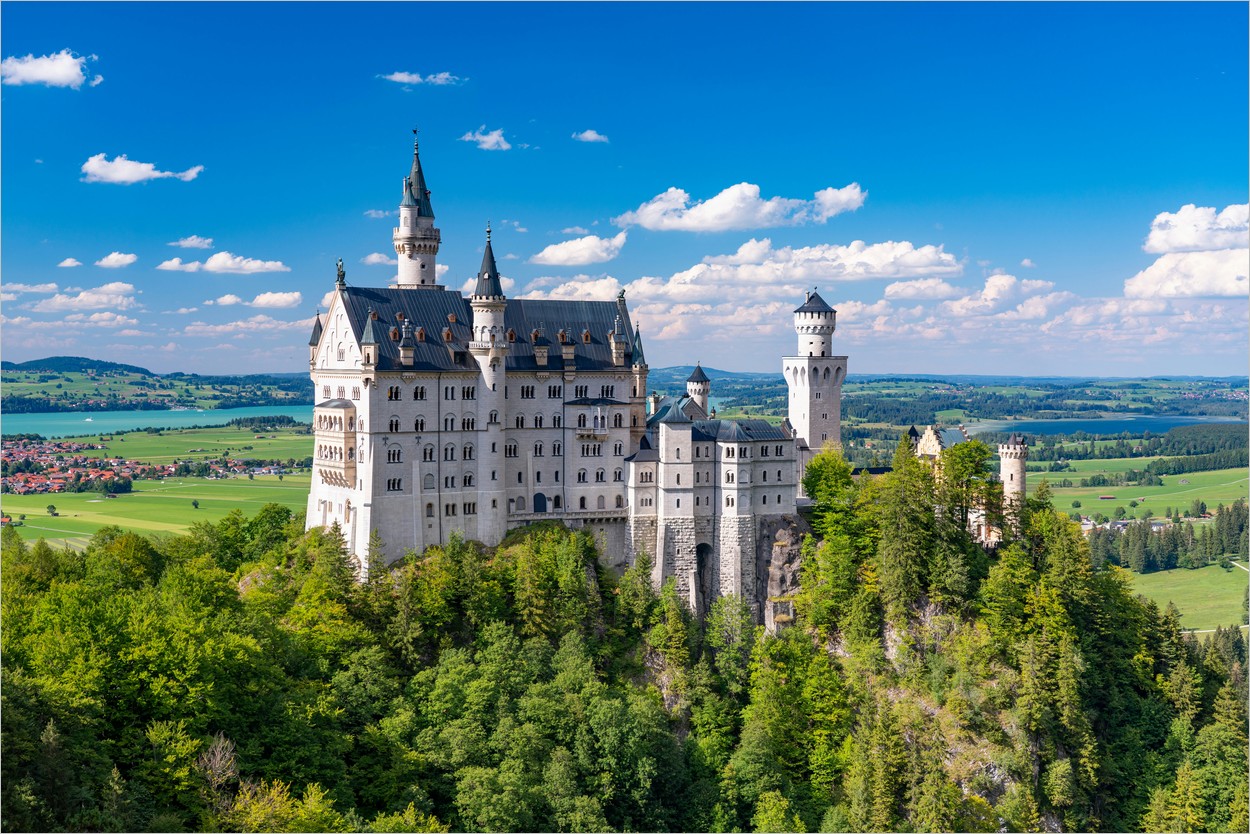
Munich is also a very good starting point for day trips: King Ludwig II's castles (Neuschwanstein, Linderhof), Bavarian lakes, the first Alpine foothills accessible by train or bus. If you have several days, you can easily alternate between city sightseeing and a day in nature. For a first trip, ideally plan 3 to 4 days there, more if you want to take several day trips.
Nuremberg, to combine a medieval city and contemporary history
Nuremberg is a particularly good choice for a first trip to Germany if you enjoy old medieval towns and also want to understand key episodes of 20th-century history. The city is easy to explore on foot and lets you move from the Middle Ages to the Nuremberg Trials in just a few tram stops.
The German National Tourist Board also presents Nuremberg as a city where several layers of German history are visible side by side, from the Imperial Castle to the traces of the Nazi period. I immediately fell in love with the city on my first visit, precisely because of the contrast between these layers of history: a charming old town, with its half-timbered houses and market, and just a few kilometers (a few miles) away, much more somber memorial sites.
The old town is dominated by the Imperial Castle, which provides a beautiful view of the red rooftops and offers insight into Nuremberg's role in the Holy Roman Empire. The ramparts still surround a large part of the center and give the city a remarkably fortified feel, which is quite rare in an urban area of this size. As you walk down toward the Hauptmarkt, you pass through shopping streets, small squares, and bridges over the Pegnitz: it is a very pleasant city to explore on foot.

The Hauptmarkt is the livelier heart of Nuremberg, with its daily market and, in season, its famous Christmas market. If you are considering a first trip to Germany in December, Nuremberg is clearly one of the cities to keep in mind: the tradition of the Christkindlesmarkt is very strong there and the historic old town is an especially atmospheric setting for it. Around the square, churches such as St. Lawrence or Our Lady add to this medieval and Gothic setting.
Nuremberg is also deeply marked by the 20th century. The former Nazi Party Rally Grounds and the Documentation Center (Dokumentationszentrum Reichsparteitagsgelände) help you see the real places behind the archival footage, with a strong emphasis on historical context and education. The Memorium Nuremberg Trials, located in the courthouse where the trials were held, adds another important perspective by showing the judicial and international dimensions of the postwar period. These can be emotionally heavy visits, but they provide important context for understanding German history.
- Old Town and Nazi Rally Grounds walking tour - Half a day covering both layers of the city, with the transfer included.
- Nazi Party Rally Grounds tour with hotel pickup - If you would rather keep the old town for yourself and only book the memorial sites.
Beyond these major landmarks, the city still feels compact and easy to navigate: distances are manageable, and the banks of the Pegnitz make for pleasant walks.
For a first trip, I find Nuremberg ideal if you're interested in history and if you like the idea of staying in a medieval city while also exploring more contemporary themes. 2 to 3 days are generally enough to get a good sense of the city, and there are some lovely excursions nearby if you would like to extend your stay, such as Bamberg or Rothenburg ob der Tauber.

Hamburg, to discover Germany by the sea
Hamburg is an excellent choice if you want to see a side of Germany far removed from Bavarian and medieval stereotypes: a large, cosmopolitan port city with a strong maritime identity and striking contemporary architecture. It's an interesting destination for a first trip if you're drawn to port cities.
The Elbe and the port dominate Hamburg's cityscape. The quays, the docks, the bridges, the cranes in the distance: everything is a reminder of the city's commercial importance. A boat trip on the Elbe, even a short one, gives you a sense of the sheer scale of this immense port, with its containers, shipyards, and barges.
The Speicherstadt district is one of the most emblematic parts of Hamburg. This former complex of red-brick warehouses, built on stilts and crossed by canals, has been partly converted into museums and offices. Walking across its footbridges creates an almost cinematic atmosphere, especially at the end of the day when the light reflects on the water. Right next door, HafenCity offers a strikingly contemporary contrast, with modern buildings and newly developed public spaces.
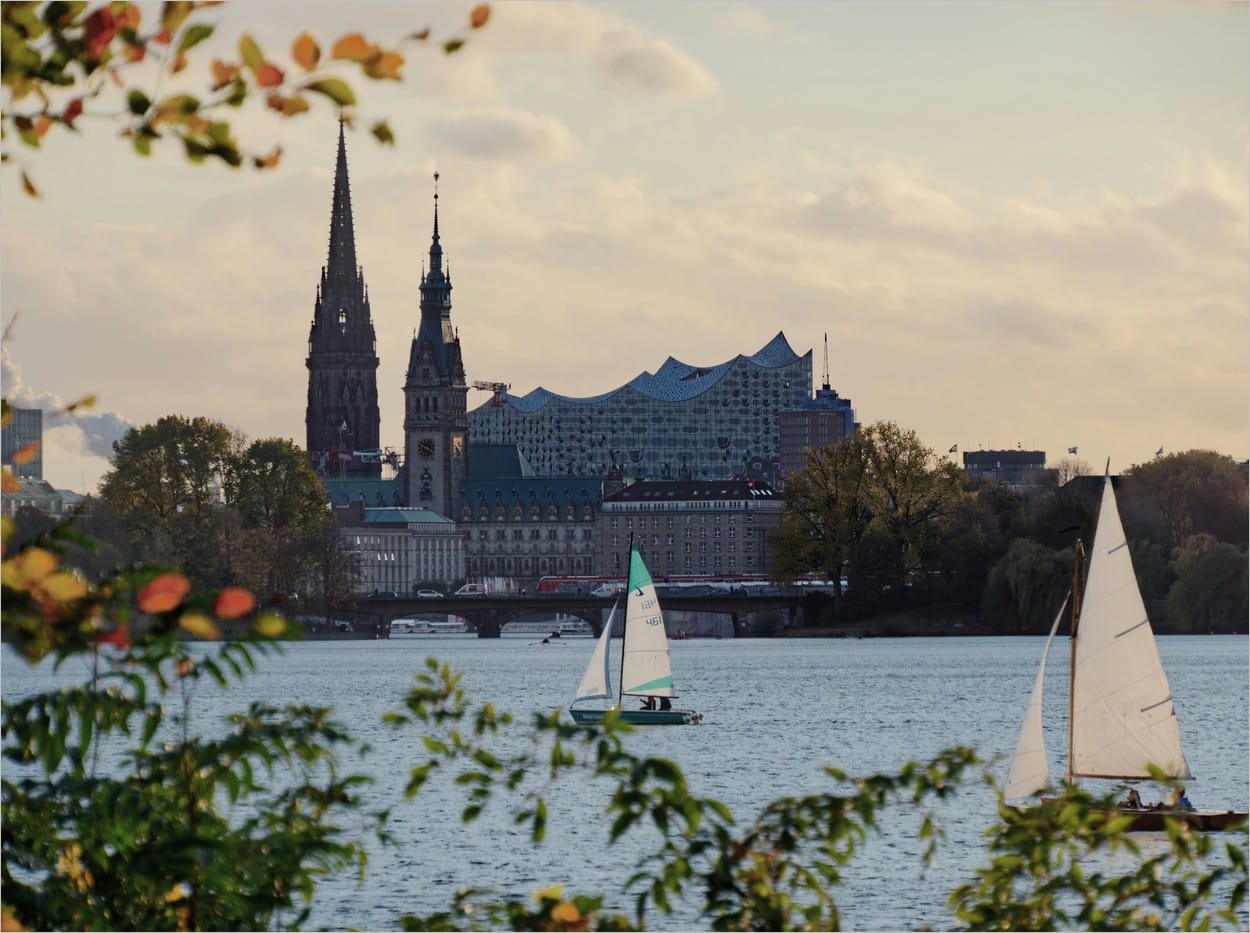
The Elbphilharmonie, a concert hall set on top of a former warehouse, has become Hamburg's architectural icon. Even if you are not planning to attend a concert there, visiting the panoramic platform lets you enjoy an unobstructed view of the port, the Elbe, and the city. It's a good way to get your bearings on a first visit.
- Harbour and Speicherstadt cruise - Ninety minutes among the container ships and through the warehouse canals, with a stop at the Elbphilharmonie pier.
- Elbphilharmonie guided tour - Explore Hamburg's concert hall.
Hamburg's neighborhoods each have a distinct atmosphere. Around the Alster (Binnenalster and Außenalster), the urban lakes created on the river of the same name, the atmosphere becomes more residential and peaceful, with walks along the water and pleasure boats. By contrast, the St. Pauli district and the Reeperbahn are the center of Hamburg's nightlife, concert halls, bars, and a rougher edge, which will not appeal to everyone but is part of the city's personality.
For a first trip to Germany, Hamburg is great if you already enjoy port cities like Rotterdam or Antwerp, and if you would like to discover Germany's maritime north. Two to three days in Hamburg generally give you time to combine walks along the Elbe, exploring the Speicherstadt, going up to the Elbphilharmonie, and strolls around the Alster.
Cologne, for a city trip on the banks of the Rhine
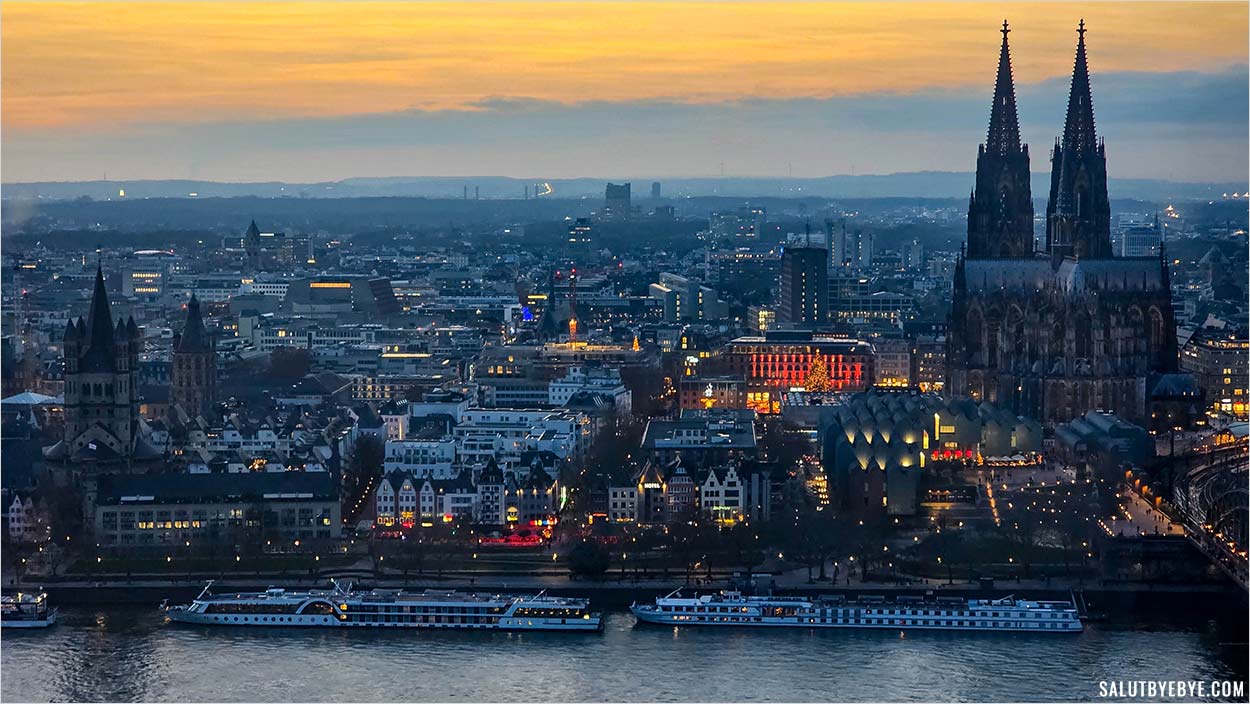
Cologne is a great choice for a first trip to Germany if you are looking for a relatively short, easy-to-reach city break, centered around a large cathedral and walks along the Rhine. The city works well for a long weekend without having to cram too much into your itinerary.
The Cologne Cathedral (Kölner Dom) quite literally dominates the city and is often the image visitors remember most. Located right next to the main train station, it impresses with its Gothic facade, its two spires, and its soaring interior. Climbing to the top of the tower requires a bit of effort, but the view over the Rhine, the bridges, and the rooftops of the city is well worth it. It is one of the most visited monuments in Germany, and it is reason enough to visit Cologne.
Around the cathedral, the old town (Altstadt) unfolds with its narrow streets, colorful houses, small squares, and traditional beer garden culture. This is where you can experience Cologne's Kölsch culture, centered around the local beer served in small glasses, with fairly brisk service that is part of the local tradition. It is an excellent way to get a feel for the city's friendly atmosphere, especially in the evening.
- Old Town highlights walking tour - The cathedral, the Hohenzollern Bridge and the Altstadt in two hours.
- Cathedral and Old Town tour with a Kölsch - The same walk, ending in a brewery, which is the right way to meet Kölsch culture.
The Rhine shapes much of the experience in Cologne. Walking along the banks, you can watch the boats, the bridges, and the constant flow of cyclists. The Hohenzollern Bridge, covered in padlocks, offers one of the best-known views of the city and the cathedral. Crossing this bridge on foot to reach the opposite bank gives you an interesting vantage point for photos and shows just how central the Rhine is to the city.
Cologne also has several museums worth adding to a first-time itinerary: the Ludwig Museum for modern and contemporary art (with a fine Picasso collection), the Roman-Germanic Museum for ancient remains, and the Chocolate Museum for a more fun visit, especially if you are traveling with family. You don't need to see them all: choosing one or two museums based on your interests is still a good approach.
And the city's Christmas markets, although crowded, have plenty of charm if you have the chance to visit during the holiday season.
Practically speaking, two to three days is plenty for a first visit to Cologne. I find it particularly suitable if you live in eastern France or in Belgium and want a first glimpse of Germany without too much travel time. You could also consider excursions along the Rhine if your stay is longer, for example to other small riverside towns.
Dresden, for heritage and museums
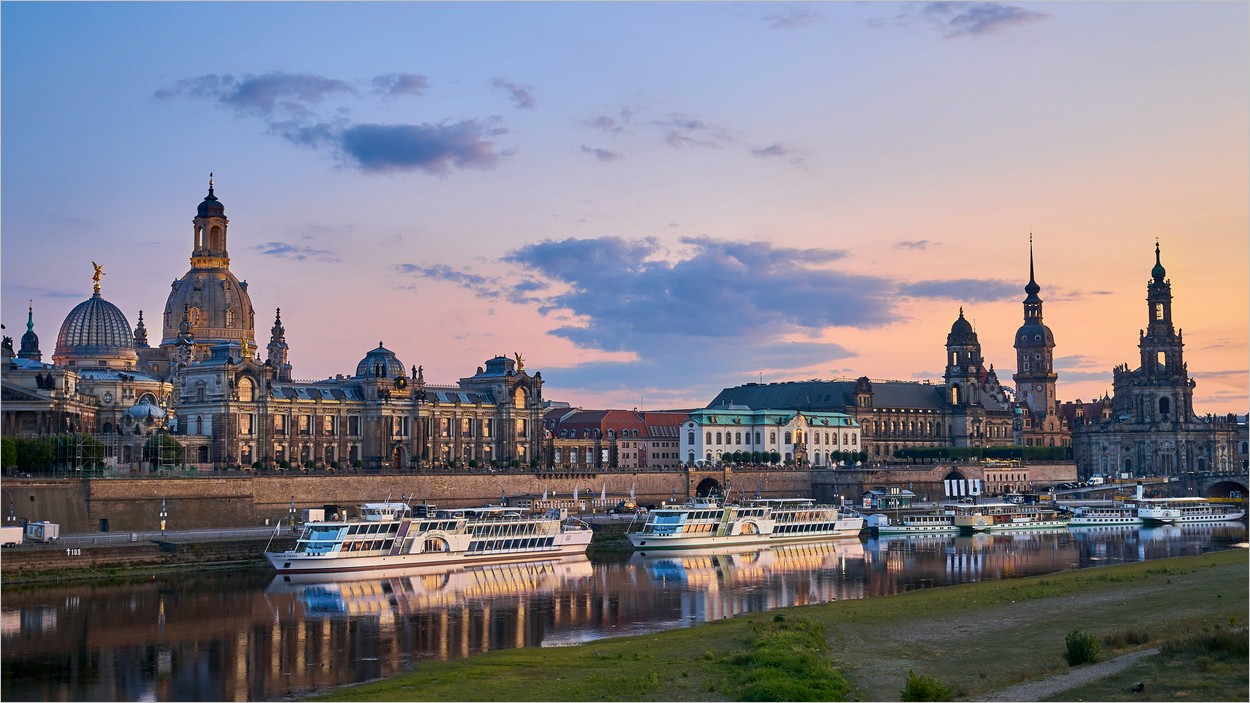
Dresden is a good option for a first trip to Germany if you are particularly interested in architecture, museums, and cities that were rebuilt after the war. It offers a very different setting from Berlin while still being easily accessible from the capital.
Dresden's historic center was largely destroyed during World War II and then patiently rebuilt. That mix of history and reconstruction gives Dresden its distinctive atmosphere. The Frauenkirche, for example, was completely rebuilt using the original stones, which were carefully numbered. Stepping inside the church, climbing up into the dome, and looking out over the square shows just how extensive the reconstruction was.
- Classic Old Town tour - Stallhof, Fürstenzug, Semperoper, Zwinger, Residenzschloss and the Brühl Terrace in one loop.
- Semperoper and Old Town combined tour - Adds the inside of the opera house, which you cannot visit freely.
The Zwinger complex is another of Dresden's iconic landmarks: a baroque ensemble with pavilions, galleries, and gardens that houses several art collections. Among them is the Gemäldegalerie Alte Meister (Old Masters Picture Gallery), with famous works such as Raphael's Sistine Madonna. Even if you do not visit the museums inside, strolling through the Zwinger's courtyards is impressive in itself.
The Semperoper (Dresden Opera House) and the Residenzschloss (Royal Palace) round out Dresden's historic core. The palace houses several museums, including the Grünes Gewölbe (Green Vault), known for its exquisite metalwork and precious objects. For a first trip, I would suggest choosing in advance which collections interest you so that you do not end up feeling overwhelmed.
The Elbe terraces (Brühlsche Terrasse) offer a lovely walk with views of the river and baroque facades. It is a pleasant place to take a break, especially when the light starts to fade. By crossing the river, you reach the Neustadt, a livelier and more creative district with cafés, street art, and a student atmosphere. It also shows you a livelier, more contemporary side of Dresden beyond the historic center.
For a first trip to Germany, Dresden is great for a 2- to 3-day trip if you also plan to visit Berlin: the two cities complement each other and are linked by a train journey of just a few hours. Plan on 2 to 3 days there to enjoy the main sights without rushing. If you have more time, you could consider a day trip to Saxon Switzerland, a region of spectacular rock formations, though I'd treat it as an optional day trip rather than a priority on a first visit.
Heidelberg, for a first romantic getaway in Germany
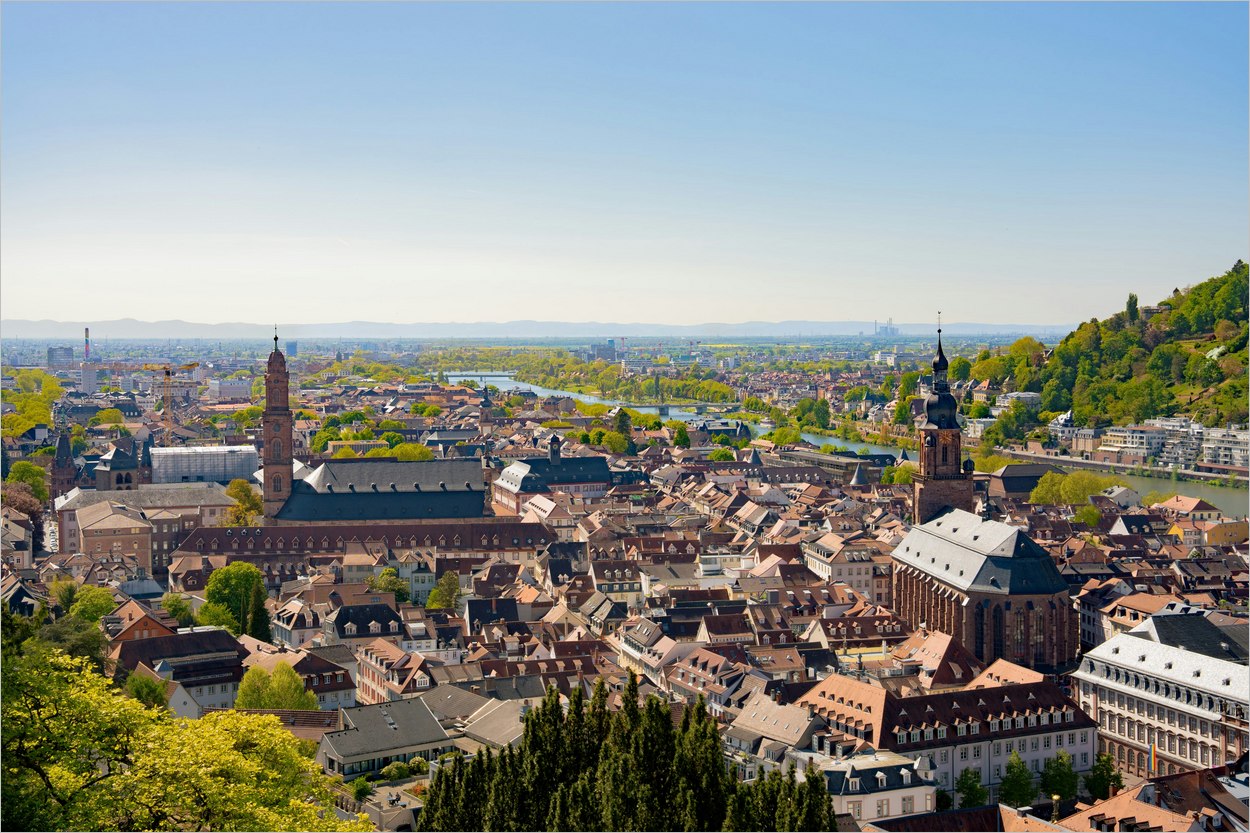
Heidelberg is a great choice for your first trip to Germany if you're looking for a romantic getaway, in a compact, walkable city with a hilltop castle and a river at the heart of the scenery. It is a more intimate destination than the big metropolises mentioned above.
The city centers on its old town (Altstadt), which stretches along the Neckar. The cobbled streets, colorful facades, small squares, and churches make the old town perfect for wandering without a fixed itinerary. You can also feel the presence of the university, one of the oldest in Germany, which brings a lively, cosmopolitan feel.
- Walking tour of the Old Town - Ninety minutes through the alleys, the Church of the Holy Spirit and the old university, including its student prison.
- Discover Heidelberg Castle - Funicular, admission and the Pharmacy Museum included, down to the cellar and the largest wine barrel in the world.
The Heidelberg Castle, perched above the city, is the city's defining landmark. You can reach it by funicular or on foot, depending on your fitness level. From the terraces, the view over the old town, the Neckar, and the surrounding hills is very photogenic, especially at sunset. The castle itself combines romantic ruins with well-preserved sections, with gardens where you can take time to sit for a while.
The Neckar shapes how you experience the city: the Old Bridge (Alte Brücke) crosses the Neckar, again with beautiful viewpoints over the city and the castle. By climbing the Philosophenweg, a path that goes up the opposite hill, you can enjoy a sweeping view of Heidelberg, often highlighted in tourist brochures. This combination of river, bridge, castle, and hills largely explains the city's romantic reputation.
For a first trip to Germany, Heidelberg is a great choice if you're less interested in packing your trip with museums and major landmarks and care more about atmosphere and scenery. It is a good option for a romantic weekend, or as a stop on a longer trip. 1 to 2 days are generally enough to really enjoy it, without feeling rushed.
How many days to plan for a first trip to Germany?
As a general rule, allow between 2 and 3 days for a city break focused on a single city, 4 to 5 days to explore a major destination in more depth or add an excursion, and one week or more if you would like to comfortably combine two cities. Try to keep the itinerary realistic, especially if you are discovering the country for the first time.
Over a long weekend (2 to 3 full days), most of the cities mentioned in this article work well for a focused stay: you will have time to visit the main sights, stroll through the central neighborhoods, and get a feel for local life. This works especially well for a first visit to Cologne, Nuremberg, Hamburg, or Heidelberg, for example.
With 4 to 5 days, you can either stay in a large city like Berlin or Munich and explore it in more depth (more museums, excursions on the outskirts, time to wander), or consider a combination of two nearby cities. For example, Munich and Nuremberg work particularly well together, or Berlin and Dresden, splitting your stay between the two.
Over one week or more, you have far more options. You can choose a thematic route (for example the Rhine and old towns, or major cultural metropolises) and build an itinerary that makes geographic sense without trying to cross the entire country. Germany has a dense rail network, and cities like Berlin, Hamburg, Munich, Cologne, Dresden, Nuremberg, and Heidelberg are well connected to each other by Deutsche Bahn. It is therefore entirely possible to travel by train without a car, while keeping travel times reasonable.
However, it is often better to really enjoy two complementary destinations than to skim through five cities in just a few days.

How to prepare a first city break in Germany?
To prepare for a first city break in Germany, start by choosing the right time of year, decide whether you need a car (often not in the city), and think about which destinations can be combined efficiently. Once these points are clear, you can fine-tune your itinerary based on your interests.
When to go to Germany?
For a first trip to Germany, the most pleasant times for a city break are generally spring and early fall, but summer and the Christmas market period also have their advantages. The choice mainly depends on how you handle different temperatures and the kind of atmosphere you are looking for.
In spring, the days get longer, parks turn green, and walking around the city becomes particularly enjoyable. It is a very good time to discover cities like Berlin, Munich, or Dresden, where parks and green spaces are a big part of everyday life.
In summer, you enjoy very long days, ideal for packing in visits and walks along the water (Rhine in Cologne, Elbe in Hamburg and Dresden, Neckar in Heidelberg). Terraces, Biergärten, and outdoor festivals give cities a particularly lively atmosphere. On the other hand, accommodations can be a bit more expensive in very touristy areas.
Fall (September–October) often offers lovely colors, especially in cities surrounded by hills and forests like Heidelberg or Dresden. It is also a good time to visit museums and enjoy a calmer atmosphere than in summer.
Finally, the period from late November to December attracts many travelers for the Christmas markets. If that is your priority, cities like Nuremberg or Cologne become very tempting. You just need to accept shorter days and cooler temperatures, and dress accordingly (warm clothing, good shoes, layers you can add or remove).

Do you need a car?
For a first city break centered on one or two major German cities, a car is generally not necessary: public transportation and walking are more than enough. Trains make it easy to travel between most major cities if you decide to combine several cities.
All the cities mentioned in this article have well-developed public transportation networks (subway, tram, bus, S-Bahn). In Berlin or Munich, it is often faster to get around by public transport than by car, and you also avoid parking issues and environmental zones.
For trips between cities, Deutsche Bahn offers many fast or regional trains with frequent services on routes such as Berlin–Dresden, Munich–Nuremberg, Cologne–Heidelberg, Hamburg–Berlin, etc. I have traveled extensively around Germany without a car and have always found German trains ideal for exploring the country.
A car becomes more useful if you want to discover rural regions, visit lots of small villages, or organize a broader road trip. But for a first trip focused on one or two cities, I would rather recommend relying on public transportation and walking, which offer an easier and more flexible way to get around.
Is it possible to combine several cities on a first trip?
It is absolutely possible to combine several cities on a first trip to Germany, as long as you focus on cities that are close enough to combine easily and avoid trying to fit in too many stops. Two cities are plenty for a one-week trip.
Among the most logical combinations, Berlin + Dresden is great: it combines a major cultural and political capital with a more compact city focused on Baroque heritage and museums. The train journey between the two is direct and relatively fast.
Another combination that works well for a first stay is Munich + Nuremberg. This gives you both the Bavarian capital and a medieval city shaped by 20th-century history. The two cities are well connected by train, and you can decide either to base yourself in one of them or to split your stay between the two.
In the west, Cologne can easily be combined with other destinations along the Rhine or the Main, depending on your preferences and the available train lines. Heidelberg, for example, fits well into a broader itinerary in southwestern Germany.
For a first trip, keep travel times reasonable and plan at least two nights in each city. This gives you time to get a feel for the local atmosphere, rather than spending your days on trains.
The traveler's memo for a first trip to Germany
Here are the answers to the most common questions when you are planning a first visit to a city in Germany.
Ultimately, there is no single best city in Germany for a first trip: each destination suits a different kind of traveler. If you take the time to clarify what you are looking for – history, atmosphere, romance, a port city, Bavaria – you will quickly find the German city that will make you want to come back and explore more of the country.


