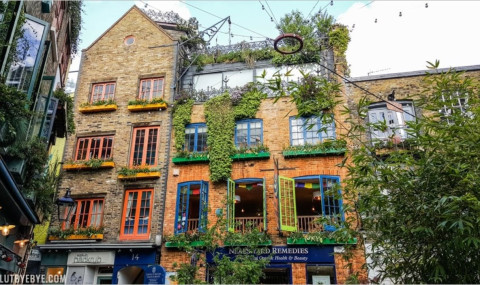
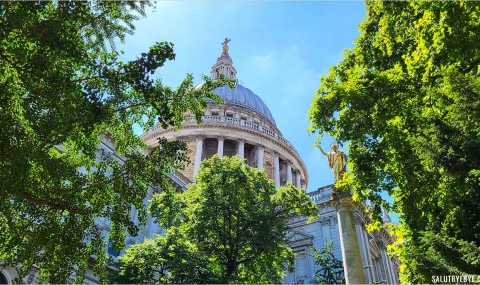
opens up a wide range of possibilities: a few days in London, a road trip along the cliffs of southern England, a weekend in a historic city, or a getaway to countryside villages. I travel regularly to the
and always enjoy going back, whether to discover a new place or explore a city I already know well in more depth.
Over the course of these trips, I have got into the habit of sharing on the blog the itineraries that work, the easiest transport options, pleasant neighborhoods to stay in, and places where it is worth stopping for a coffee or a beer. This page brings together my main United Kingdom travel guides: London, southern England, historic cities, villages and countryside, not forgetting a few detours such as Belfast.
- The United Kingdom works well for trips combining London, a historic city, and a countryside or seaside region.
- For a first trip, plan at least 4 to 5 days in London, then add one or two easy day trips by train.
- To enter the United Kingdom, a valid passport is essential, and travelers concerned by the rule must obtain an ETA before departure.
- Trains are convenient for connecting major cities, while a car remains ideal for villages and natural parks.
- The weather is changeable: always pack layers, even in summer, and a waterproof jacket.
- Bank cards are accepted almost everywhere, but having a few pounds sterling in cash is still useful for small purchases.
Why visit London and the United Kingdom?
The United Kingdom appeals thanks to the diversity of its heritage, culture, and landscapes, while remaining an easy destination for French-speaking travelers to explore.
When you think of a trip to the United Kingdom, London is often the first place that comes to mind. Yet beyond the capital, the country also offers many historic cities, seaside resorts, charming villages, and superb natural areas. I really like this destination for its combination of free museums, cozy pubs, rolling countryside, and spectacular cliffs. It is an excellent option if you enjoy urban atmospheres but also want nature and wide-open landscapes.
A very rich historical and cultural heritage
The United Kingdom has a particularly rich heritage: medieval castles, Gothic cathedrals, centuries-old universities, coastal fortresses, and elegant Georgian houses.
In London, you can visit the Tower of London, Westminster Abbey, and the historic neighborhoods around the Thames. Farther north, cities like York, Oxford, or Bath tell other chapters of British history, from Roman times to the Victorian era.
What I especially appreciate is the way history continues to live in everyday life: commemorative plaques on building facades, pubs set in former coaching inns, and historic markets that are still active today. You can easily build an itinerary that mixes major icons with more discreet places, without ever feeling as if you are following a rushed history lecture.
A living culture: pubs, museums, music, and theater
Beyond its monuments, the United Kingdom is also discovered through its culture and traditions. Pubs are true institutions: people go there to drink a local beer, but also to chat, eat a simple meal, listen to live music, or watch a match. I recommend pushing open the door of neighborhood pubs in the late afternoon: you will see a very authentic side of local life.
Museums play a central role, especially in London, where many major institutions are free: the British Museum, the National Gallery, Tate Modern… This is a very welcome point when balancing your budget. The theater and music scenes are also rich: the West End for musicals, smaller venues for concerts, and occasional festivals across the country. If you enjoy culture in the broadest sense, you will not run out of ideas.
Varied landscapes: cliffs, countryside, and natural parks
As soon as you leave London, nature often takes over. Southern England offers spectacular white cliffs around Seven Sisters, pebble beaches, and historic seaside resorts such as Brighton, Eastbourne, or Hastings. Inland, regions such as the Cotswolds or Sussex reveal gentle countryside, with hills, stone walls, and very well-preserved villages.
The country also has many national parks, such as the Lake District or the Peak District, which are perfect for hiking, even if this often means renting a car and allowing a little more time. On my trips, I have often alternated a few very urban days with a nature break, which makes the journey feel more balanced.
A convenient rail network for major cities
To get around, the United Kingdom benefits from a dense rail network that efficiently connects major cities and many tourist destinations. From London, you can easily reach cities such as Oxford, Bath, Brighton, or York without a car, with journey times that are often reasonable. This is a real advantage if you prefer to avoid driving on the left.
However, once you aim for villages or rural areas, trains become less practical, and you sometimes need to combine train and bus, or rent a car for more freedom.
My guides to visiting London
London deserves a dedicated trip on its own: free museums, iconic monuments, neighborhoods with very different atmospheres, and a huge range of themed activities, including a very developed Harry Potter universe.
Over the course of my stays, I have built several guides to visiting London that cover must-see sights, practical organization, and specific themes (Harry Potter, river cruises, markets, etc.). The idea is that you can assemble your own stay piece by piece: a daily itinerary, clear landmarks for transport, and a few personal favorites to get off the beaten track, even while staying in the center.
What to visit in London? The major must-sees
For a first trip to London, I recommend focusing your days around a few well-defined neighborhoods. Among the emblematic places, you will generally find:
- Tower Bridge and the Tower of London, for medieval history and views over the Thames.
- Westminster, with Parliament, Big Ben, and Westminster Abbey.
- The area around the London Eye, which offers a very easy-to-read panorama of central London.
- The neighborhoods of Covent Garden, Soho, or South Bank for the atmosphere, shops, and shows.
During my trips, I have found that it is more enjoyable to build themed days rather than rush from one attraction to another: for example, a day around the Thames, a more “royal” day with Buckingham Palace, Westminster, and the parks, a museum day, and so on. This limits fatigue and leaves you time to wander.
Organizing your stay in London: transport, passes, and budget
Practical organization makes a real difference in London, especially when it comes to budget and transport. To get around, the easiest option is to use a contactless payment card or an Oyster Card on the Underground, buses, and some trains. The daily fare cap means you do not exceed a certain amount per day, which makes passes less essential than they used to be.
The cost of living in London is high: accommodation, restaurants, transport, and paid attractions can quickly push the bill up. That is why I also share tips to optimize your London budget: choosing the right neighborhood to stay in, selecting a few truly memorable paid attractions, and using free museums to balance things out. By preparing your priorities in advance, you avoid the trap of wanting to “see everything, do everything,” which is often exhausting and expensive.
Activities in London: river cruises, Harry Potter, museums, markets
Beyond the monuments, London is full of activities suited to very different traveler profiles. Cruises on the Thames offer a relaxing way to see the city, especially if you are traveling with children or feeling tired after a day of walking. Art and history lovers will find plenty to enjoy in the free museums, while markets such as Borough Market, Camden Market, or Portobello Road let you combine a walk with foodie discoveries.
If you or your loved ones are fans of the Harry Potter universe, London is an ideal destination: Warner Bros. Studios, guided tours in the city, themed shops… It is an excellent way to give your trip to London a guiding theme, especially with children or teenagers.
Exploring southern England
Southern England makes it easy to combine the seaside, cliffs, small towns, and countryside, often accessible by train from London.
If you have already visited London or want to add some breathing space to your stay, I recommend spending a few days in southern England. It is a region where you can build simple getaways, without necessarily renting a car if you stick to the main coastal towns. During my travels, I especially enjoyed the Brighton – Eastbourne – Seven Sisters combination, which gives a good overview of the cliffs and seaside life.
Brighton: a creative and relaxed seaside resort
Brighton is one of England’s best-known seaside resorts, about an hour by train from London. You will find a long pebble beach, a pier with attractions, the surprising Royal Pavilion with its exotic inspiration, and a lively city center, with many independent shops and cafés.
It is a city where it feels good to wander without an overloaded schedule: stroll through the Lanes, eat fish and chips while looking at the sea, and get lost in small streets lined with colorful facades. I find that Brighton works very well for one or two nights, especially if you need a break from London’s rhythm while keeping a good choice of restaurants and evening options.
Seven Sisters: the iconic white cliffs
The Seven Sisters cliffs are among the most striking landscapes in southern England, with their white faces dropping into the sea. They are easy to access from Eastbourne or Seaford, sometimes by combining train and bus. Hiking trails follow the cliff edge, with spectacular views of the coast and surrounding countryside.
On site, you should plan for comfortable shoes and take the often changeable weather into account. The walk can be a little physical because of the successive climbs and descents, but it is possible to adapt the distance.
Eastbourne, Hastings, and Sussex
Eastbourne is another seaside resort in the south, quieter than Brighton, with a lovely seafront promenade and convenient access to the cliffs. It is a good base if your priority is nature rather than nightlife. Hastings, a little farther east, combines an old town center, a fishing port, and a slightly rawer seafront, with a more down-to-earth feel.
In the Sussex countryside, you will find villages, country trails, and a few historic houses. These areas become easier to explore with a car, especially if you like getting away from the main train lines. Even without knowing everything, I find that southern England offers an excellent compromise for a first discovery outside London, without overly complex logistics.
The most beautiful cities in England
England has several historic cities that are easy to visit over a few days and make an ideal complement to a stay in London.
I have not yet explored every city in the country, but some have particularly stood out to me for their architecture, atmosphere, and ease of visit. The three that appear most often in itineraries are York, Oxford, and Bath. All are accessible by train from London and can be discovered over a long weekend or included in a broader trip.
York: city walls, cathedral, and medieval lanes
York is located in northern England and offers a beautifully preserved concentration of medieval history. The city is surrounded by walls that you can walk along, with views over the rooftops and surrounding countryside. York Minster, a huge Gothic cathedral, dominates the landscape and is very much worth visiting.
The historic center is a real pleasure to explore on foot, especially narrow streets such as the Shambles, with their half-timbered facades. I find it an especially pleasant city outside peak season, when the streets are a little less busy and you can enjoy cafés and tea rooms without rushing.
Oxford: universities, colleges, and an academic atmosphere
Oxford is known for its prestigious university, one of the oldest in the English-speaking world. The city is dotted with historic colleges, with inner courtyards, chapels, and libraries. Some can be visited, while others reveal themselves only through their gates and monumental entrances.
The atmosphere is quite unique: a mix of students on bikes, tourists, and residents who live there year-round. You can easily spend a day walking between the buildings, parks, and banks of the River Cherwell, or even try punting — small flat-bottomed boats — if you enjoy calm activities. Oxford is reachable by train from London in a reasonable amount of time, making it a very accessible excursion.
Bath: Georgian architecture and Roman heritage
Bath charms visitors with its very harmonious Georgian architecture, with large pale-stone facades and ensembles such as the Royal Crescent. The city is also famous for its Roman Baths, remains from a time when people already came to enjoy the hot springs. The whole city is fairly compact and very easy to explore on foot.
It is a city I readily recommend for a slightly quieter weekend, with time to enjoy cafés, tea rooms, and perhaps a visit to a modern spa if that appeals to you. Here again, the train from London remains the most practical option if you are not doing a major road trip.
What about other cities?
Other English cities are worth visiting, even though I have not yet had the opportunity to cover them on the blog: Cambridge, Canterbury, Bristol, Manchester, Liverpool… Each has its own personality, museums, more creative neighborhoods, or links with music or industry.
And if you broaden the scope a little, Belfast in Northern Ireland may appeal to you: industrial heritage, the Titanic museum, street art, and neighborhoods undergoing major change.
I regularly develop new articles on the United Kingdom as my travels continue.
The most beautiful English villages and countryside areas
English villages and countryside areas reveal a more intimate side of the country, with gentle landscapes, stone houses, and village pubs where time seems to slow down.
If you enjoy rural atmospheres, green hills, and little stone bridges, I recommend dedicating part of your trip to the United Kingdom to the Cotswolds and a few countryside villages. It is a different rhythm, very different from London or the major cities: you walk, stop in a pub for lunch, and follow paths between two hamlets. Ideally, you will have a car to explore at your own pace, even though some villages remain accessible by bus or taxi from a train station.
The Cotswolds: rolling countryside and postcard villages
The Cotswolds are often described as one of England’s most picturesque regions. You will find rolling countryside, stone walls, hedges, quiet rivers, and a series of villages built from honey-colored stone. It is quite a large area, with several possible bases depending on how much time you have and how much walking you want to do.
During my stays, what struck me most was the softness of the atmosphere: you can get up early, cross a village that is still quiet, pass a few locals walking their dogs, then join a path heading toward the nearby hill. You should not necessarily look for “attractions” in the strict sense, but rather for small everyday moments that feel wonderfully different.
Bibury, Bourton-on-the-Water, Castle Combe, Lacock
Among the Cotswolds villages, some regularly appear in itineraries:
- Bibury, known for its cottages lined up along the river and often photographed.
- Bourton-on-the-Water, crossed by a shallow river and several little bridges, with a real vacation-village atmosphere.
- Castle Combe, very compact, with a central square and stone houses that seem frozen in time.
- Lacock, a historic village often used as a filming location, with an abbey and preserved streets.
These villages can be quite busy in high season, especially on weekends. If possible, I recommend spending the night there or arriving early in the morning: the atmosphere really changes once visitor groups leave and the villages return to their usual rhythm.
Other countryside areas and natural parks
Beyond the Cotswolds, England offers many other interesting rural areas: the Lake District for lakes and gentle mountains, the Peak District for plateaus and valleys, and the Yorkshire Dales for wilder landscapes. These regions often require more time and planning around a car, but they allow you to experience a very different kind of trip, centered on walking and small villages.
Even though all these places are not yet covered in detail on my blog, I aim to gradually develop guides for travelers who want to go beyond the classics, while keeping a realistic and accessible approach.
How to prepare for a trip to the United Kingdom
Preparing for a trip to the United Kingdom means thinking about the season, entry requirements, payment methods, electrical outlets, transport, and, depending on your itinerary, car rental.
Organizing a trip to the United Kingdom now requires a few checks before departure, especially regarding the passport and the ETA. Once these formalities are anticipated, the rest of the preparation is fairly simple. This section gives you the main information to know before you leave and points you toward my detailed guides when necessary.
Best time to visit the United Kingdom
The best time to visit the United Kingdom generally runs from late spring to early fall, with a preference for May to September. The days are longer, temperatures are more pleasant, and many tourist sites operate with extended hours.
That said, the climate remains oceanic and changeable: it is common to experience several seasons in the same day. In summer, you may get beautiful sunny days, but also sudden showers. Winter can be interesting for Christmas atmospheres, especially in London with its impressive New Year’s Eve fireworks, but you then have to deal with very short days and wetter weather. On my trips, I have often favored May-June and September: a little less crowded than high summer, while still enjoying fairly comfortable conditions.
Passport and ETA
For a trip to the United Kingdom, a valid passport is essential for European Union citizens. National identity cards no longer allow travelers to enter the country.
Travelers concerned by the rule must also obtain an ETA — Electronic Travel Authorization — before departure. The application is made online or through the official UK government app. The ETA is paid and remains valid for several trips during its validity period. I still recommend checking the current conditions before departure, as they can change.
Currency, payments, and daily budget
The official currency is the pound sterling (GBP). In practice, bank cards are accepted almost everywhere: hotels, restaurants, transport, museums, supermarkets, pubs… Contactless payment is very widespread, including for small amounts. It is still useful to have a little cash for a few situations: small shops, markets, paid toilets, or more basic parking lots.
Price levels vary by region: London is significantly more expensive than most of the rest of the country, especially for accommodation and restaurants. To optimize your United Kingdom budget, it can be worth using a bank card with low or no foreign transaction fees, choosing accommodation a little outside the center in major cities, and taking advantage of the many free activities, such as museums, walks, and parks.
Electrical outlets and adapters
The United Kingdom uses type G outlets, with three rectangular pins. The standard voltage is 230 V, compatible with most European devices, but you will need an adapter to plug in your chargers. It is an easy detail to forget, yet very practical to anticipate.
I recommend buying at least one good-quality adapter before departure, or even bringing a French power strip to plug into a single adapter if you have several devices, such as a phone, camera, or tablet. This saves you from having to rush around airport or train station shops as soon as you arrive.
Driving on the left: should you rent a car?
In the United Kingdom, people drive on the left, and the steering wheel is on the right. This detail may put some travelers off, but it is often less problematic than you might imagine, especially if you take time to get used to it on relatively quiet roads at first. Most rental cars have manual transmission, although automatic cars are available if you book early enough.
I recommend renting a car if your itinerary includes many villages, countryside areas, or natural parks, especially in the Cotswolds, the Lake District, or Yorkshire. However, for a trip centered on London and a few major cities connected by train, a car is not necessary and can even become a constraint, with expensive parking and dense traffic. A good compromise is to combine public transport for the urban part and a car for a few days in the countryside.
Getting around by train and public transport
The train remains the most practical option for connecting the main cities in the United Kingdom. From London, you can easily reach Oxford, Bath, Brighton, York, and many other destinations. There are different companies and ticket types: Off-Peak tickets are often better value, and advance bookings can help you get better fares on certain routes.
In cities, bus and Underground networks, especially in London, complement the train effectively. On my blog, for example, I explain how the London Underground, the Tube, works — lines, tickets, contactless payment. In other cities, things are often simpler, with centers that are easy to explore on foot and a few bus lines for longer journeys.
Weather and daily planning
The British weather has a reputation for being unpredictable, and that is not entirely undeserved. It is common to see clouds, sunny spells, and showers alternate over the course of a single day, even in summer. The key, in my experience, is to pack layers and a small waterproof jacket or sturdy umbrella, rather than relying on perfectly stable weather.
In practice, this also influences how you plan your days: alternate indoor activities, such as museums and monument visits, with outdoor walks so you can stay flexible. Do not let the weather entirely dictate your choice of destination: the United Kingdom has beautiful light even under a changing sky, and some places keep a special charm in cloudy weather.
The Traveler’s Memo for a trip to the United Kingdom
Here are the answers to the most frequently asked questions to help you prepare your trip to the United Kingdom in practical terms, from the best time to visit to entry requirements, budget, and itinerary ideas.
The period from May to September is the most pleasant for a trip to the United Kingdom. You benefit from long days, milder temperatures, and a full cultural and tourist offer, while keeping in mind that the weather remains changeable and that a waterproof jacket is always useful.
I recommend at least 4 to 5 days for a first visit to London. This gives you time to discover the major must-sees, enjoy a few free museums, and allow yourself time to wander through different neighborhoods without constantly rushing.
Yes, a valid passport is required to enter the United Kingdom. Identity cards are no longer accepted for European travelers, whether you arrive by plane, train, or ferry.
Yes, travelers concerned by the rule must obtain an ETA, or Electronic Travel Authorization, before departure. The application is made online or through the official UK government app. Check the current conditions before your trip.
The currency is the pound sterling (GBP), and bank cards are accepted almost everywhere. However, it is still worth carrying a little cash for some small shops, markets, or parking lots, and choosing a card with low foreign transaction fees to limit costs.
Great Britain refers to the main island made up of England, Scotland, and Wales. The United Kingdom also includes Northern Ireland, located on the island of Ireland.
By train, you can easily visit Brighton, Oxford, Bath, or Canterbury without a car. These destinations work well for day trips or short stays, with compact city centers and many sights that can be explored on foot.
Yes, London works very well for families thanks to its free museums, parks, double-decker buses, Thames cruises, and activities such as the Harry Potter studios. The important thing is to adapt the pace, plan frequent breaks, and avoid multiplying paid visits on the same day.
The budget depends a lot on your travel style, but London remains an expensive city for accommodation and meals. Plan for a higher daily budget than outside London, while taking advantage of the free museums and choosing your paid attractions carefully to keep good value for money.
When preparing your trip to the United Kingdom, you will quickly see that there are many possible combinations: a few days in London, a getaway to southern England, a historic city, a detour through countryside villages… The main thing is to stay realistic about the number of stops and to keep time simply to enjoy the places you visit.
I will continue to enrich these guides as I take my own trips, adding detailed itineraries and concrete feedback from experience. In the meantime, feel free to pick from these ideas to build a stay that truly feels like you