

If you come to discover Krakow, there's a good chance your first steps will lead you to its Old Town, Stare Miasto. This is Krakow's historic center, listed as a UNESCO World Heritage Site since 1978: a huge market square lined with colorful facades, Gothic churches, underground museums, and a heart-shaped park encircling the city.
In this article, I'm offering you a complete guide to visiting Krakow's Old Town: what to see in Stare Miasto, how to organize your visits, where to eat, and how to make the most of this very lively neighborhood.
- Plan 1 day for the must-sees of Krakow's Old Town, 2 days if you want to visit several museums and churches and take your time.
- Stare Miasto is entirely pedestrian: it's easy to get there by tram (Teatr Bagatela or Poczta Glowna stops).
- For paid visits, expect moderate prices (roughly 10 to 30 PLN / about $2.50-$7 / about £2-£6), but remember to book ahead for the most popular sites.
- Avoid eating directly on the main square, Rynek Glowny: by going just one street over, you'll often pay 20 to 30% less.
- May-June and September offer a good balance between weather and crowds; December is very pleasant if you like Christmas markets.
- A guided walking tour in English is a very good idea if you don't have much time and want to understand the history of Krakow's historic center.
The must-sees of Stare Miasto
Krakow's Old Town brings together most of the city's major historical sites around the Rynek Glowny market square. This is the area to prioritize if you only have one day in the city.
Rynek Glowny, the largest medieval square in Europe
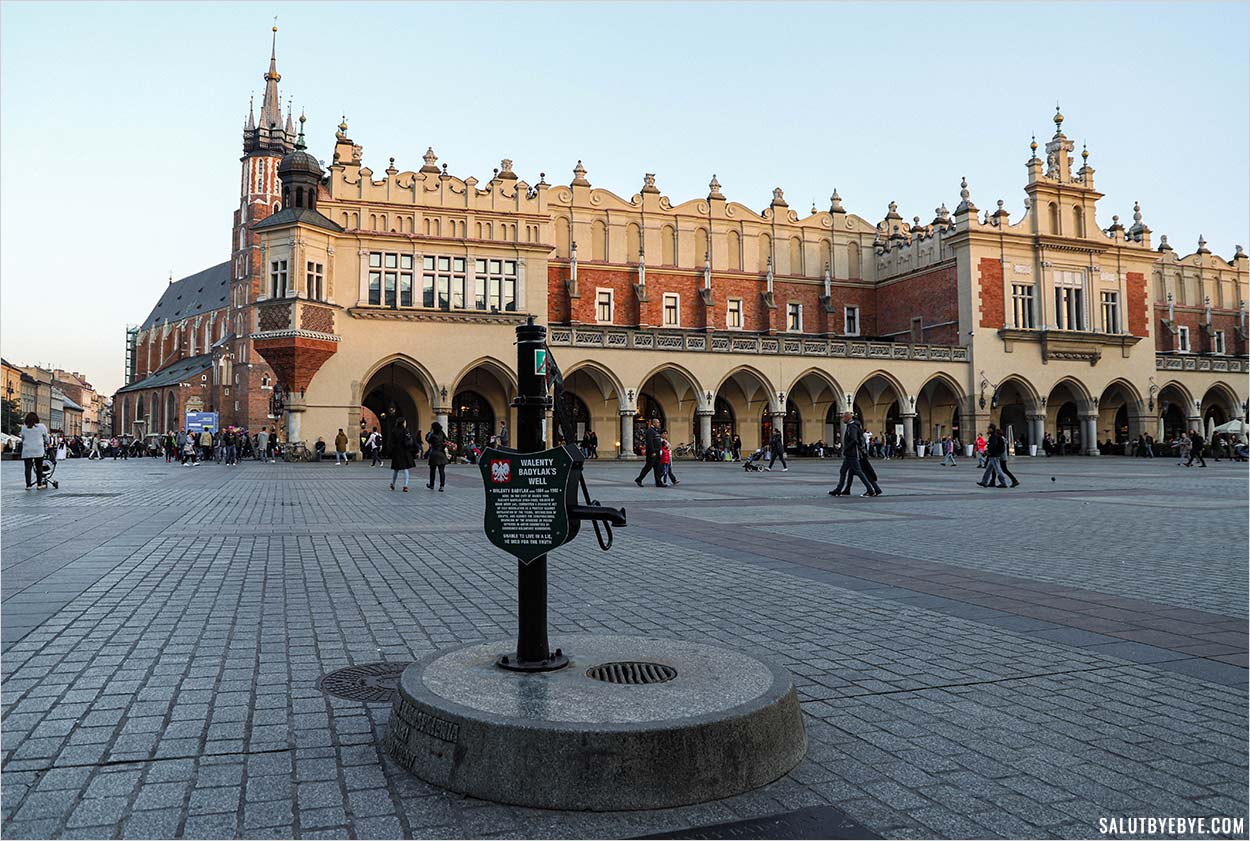
Rynek Glowny is the large central square of Krakow's Old Town, and one of the largest medieval market squares in Europe (nearly 4 hectares / about 10 acres). It lies at the heart of Krakow's historic center and you will inevitably pass through it several times during your stay.
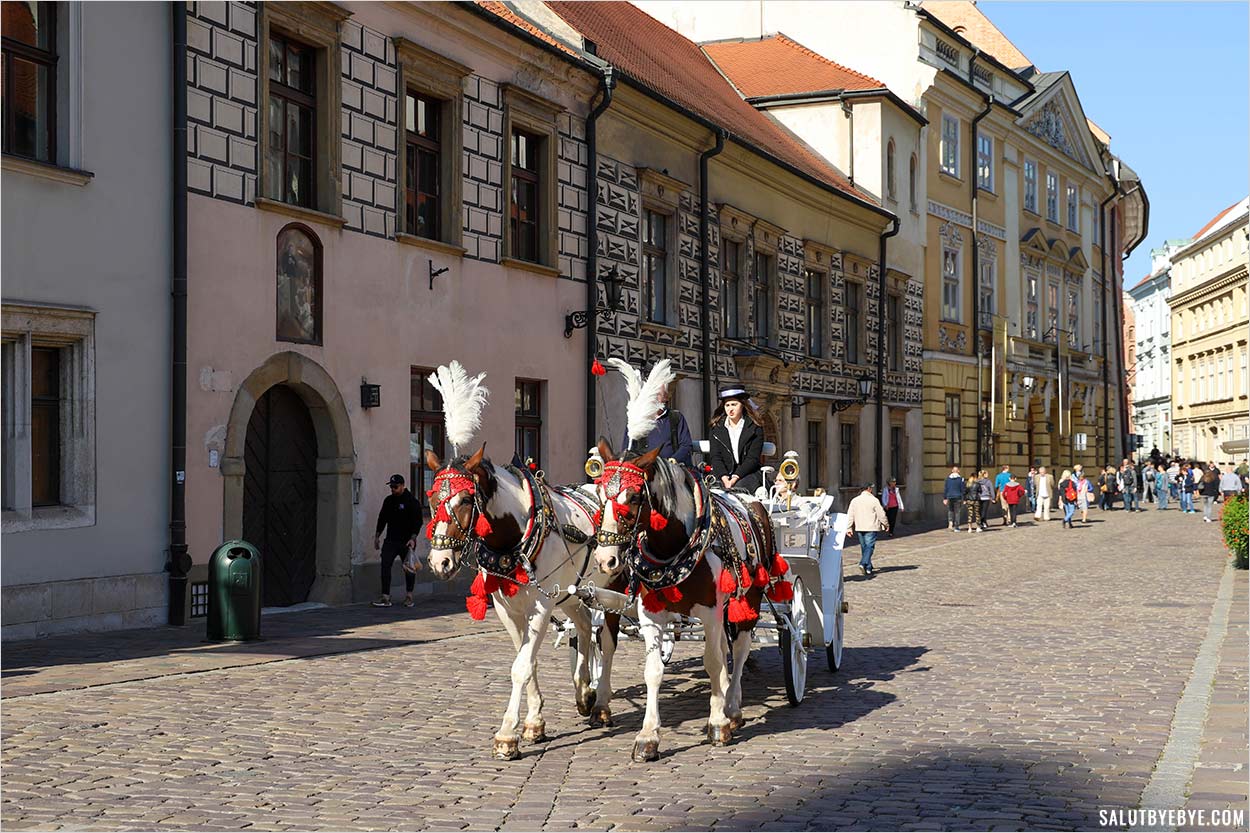
The square was laid out in the Middle Ages, when Krakow was a crossroads on European trade routes. Picture a vast paved esplanade, lively at all hours, where horse-drawn carriages, café terraces, street performers, and historic buildings all share the space. This is also where you most strongly feel the city's "postcard" side, with its colorful facades and the silhouette of St. Mary's Basilica towering over the square.

What is there to see on the square and in its immediate surroundings?
- The Cloth Hall (Sukiennice): an iconic covered market where you will find many handicraft shops (amber, wood, ceramics, fur, toys, souvenirs). Even if you do not buy anything, it is a pleasant place for a stroll and to admire the artisans' work.
- The 19th-Century Polish Art Gallery: on the upper floor of the Cloth Hall, a museum that will appeal to lovers of Romantic painting and the history of Poland.
- The Town Hall Tower: the only remaining part of the former town hall, it offers a beautiful view over the square and St. Mary's Basilica. You reach the top via a fairly steep staircase, something to keep in mind if you are traveling with young children or if you are uncomfortable with lots of steps.
- St. Adalbert's Church: very small, tucked into a corner of the square, but one of the oldest stone religious buildings in Poland (11th century). It gives you a sense of the original scale of the square before it was redesigned.
- Krzysztofory Palace: a recently renovated city history museum that traces Krakow's evolution over the centuries. It is interesting if you want to better understand what lies behind Stare Miasto's facades.
Amid the tourist bustle, two memorials also recall powerful chapters in the country's history. You will find the statue of the poet Adam Mickiewicz, a major figure in Polish literature, and a memorial to Walenty Badylak, who set himself on fire in the square to protest against the authorities' silence about the Katyn massacre (which claimed the lives of thousands of people opposed to communism). This contrast between the life of the square and these reminders of history is part of what makes Rynek Glowny so distinctive.
St. Mary's Basilica and the Hejnal Mariacki
St. Mary's Basilica is one of the main landmarks of Krakow's Old Town. Even if you are not religious, it is really worth visiting for its spectacular interior and its role in the life of the city.
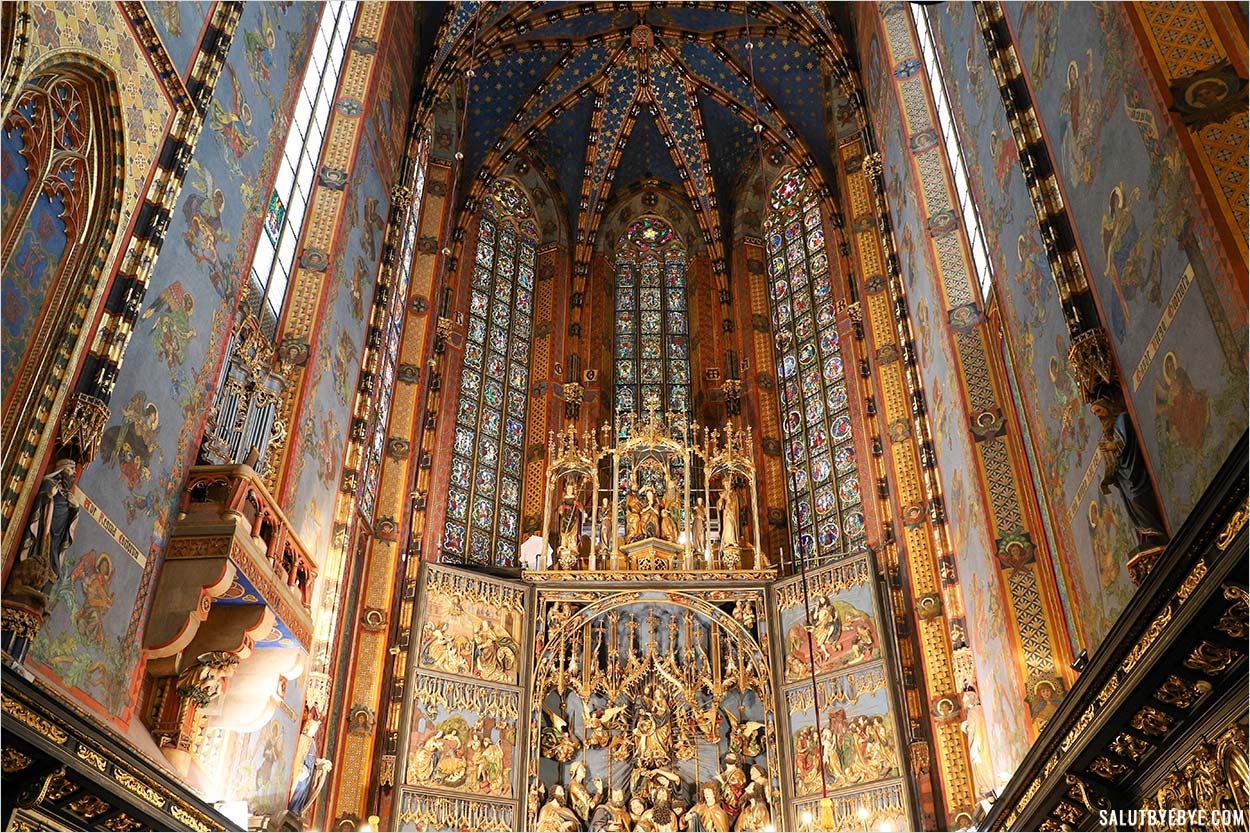
From the outside, you will immediately recognize its two asymmetrical towers. Inside, it's a real visual shock: deep blue star-studded ceilings, colorful columns, gilding, sculpted details everywhere. The great masterpiece of the basilica is the altarpiece by Veit Stoss, a group of wooden sculptures of stunning finesse, depicting scenes from the life of the Virgin Mary. During my first visit, I stayed in front of this altarpiece for a long time, studying the drapery, the expressions on the faces, and the little details that reveal themselves as you keep looking.
You can climb one of the towers (the highest tower, Hejnalica) to enjoy a beautiful panorama over Krakow's historic center. Access is via a narrow staircase, with limited time slots and a restricted number of visitors, so I recommend checking the information in advance and booking, especially in high season.
Also, don't miss the Hejnal Mariacki, a melody played on the trumpet from the tower every hour, day and night. It is broadcast live on Polish radio at noon. Originally, this signal was used to warn residents in case of danger, particularly during invasions. Today, it has become a tradition, a powerful sonic landmark of Krakow's Old Town. Sit down for a few minutes on the square just before the hour, look up at the tower and listen: it's one of those small rituals that punctuate a stay.
Address: Plac Mariacki 5, 31-042 Krakow.

The Rynek Underground, medieval Krakow beneath your feet
The Rynek Underground is an underground museum located just beneath Krakow's main market square. It lets you discover the remains of the medieval city, several meters (about 10-20 ft) below today's street level.
In practice, you go down through a discreet entrance near the Cloth Hall and find yourself in a large space where fragments of old paving, house foundations, tools, and everyday objects are preserved. Digital reconstructions and projections help you visualize what Krakow's historic center looked like when the street level was about 5 meters lower (about 16 ft).
It's an excellent complement to a walk on Rynek Główny: you go from the lively surface to a calmer, more educational visit, which helps you place the locations in their historical context. The museum is fairly interactive, which makes it suitable for a family visit, even if some of the content will appeal more to adults.
Most of the time, admission is charged but prices remain affordable (on the order of a few dozen zlotys, roughly the equivalent of several euros / a few US dollars / a few British pounds) and it is recommended to book in advance for busy time slots, especially in summer and on weekends. Admission is free on Tuesdays.
The Royal Route (Droga Krolewska) and the City Gates
The Royal Route is the ceremonial path that once linked Krakow's old city gates to Wawel Hill, where the castle stands. It's one of the most enjoyable walks for exploring Krakow's historic center.
It begins at the Barbican and St. Florian's Gate (Brama Florianska), at the northern end of the Old Town. The Barbican is an imposing circular fortification that once protected the city's entrance. Today, it's occasionally open for temporary exhibitions, but even viewed from the outside it gives you a good sense of the medieval defensive system.
Right next door, St. Florian's Gate marks the opening in the former city walls onto Florianska Street, one of the main shopping arteries leading to Rynek Glowny.

The surrounding area is particularly pleasant for a stroll: you follow along Planty Park and pass by beautiful buildings such as the Juliusz Slowacki Theater, the Stary Theater, and the Palac Sztuki (Palace of the Arts), with their ornate facades. Then you gently make your way down toward the heart of Stare Miasto, heading for the Market Square before continuing on toward Wawel Hill (which deserves a dedicated visit of its own).
On my first trip, I followed this Royal Route without even realizing it: I simply let myself be carried along by the flow of pedestrians and, a few hours later, I realized I had walked the same historic route that kings and official processions once used to enter the city.
Visiting the Old Town Beyond the Market Square
Once you leave the large Market Square, you'll discover another side of Krakow's historic center: quieter little streets, inner courtyards, and smaller museums that are often very interesting. This is where Stare Miasto reveals a more everyday atmosphere.
The Collegium Maius and the Jagiellonian University
The Collegium Maius is the historic building of the Jagiellonian University, one of the oldest universities in Central Europe. It's only a few minutes' walk from Rynek Glowny, but the atmosphere there is much more contemplative.
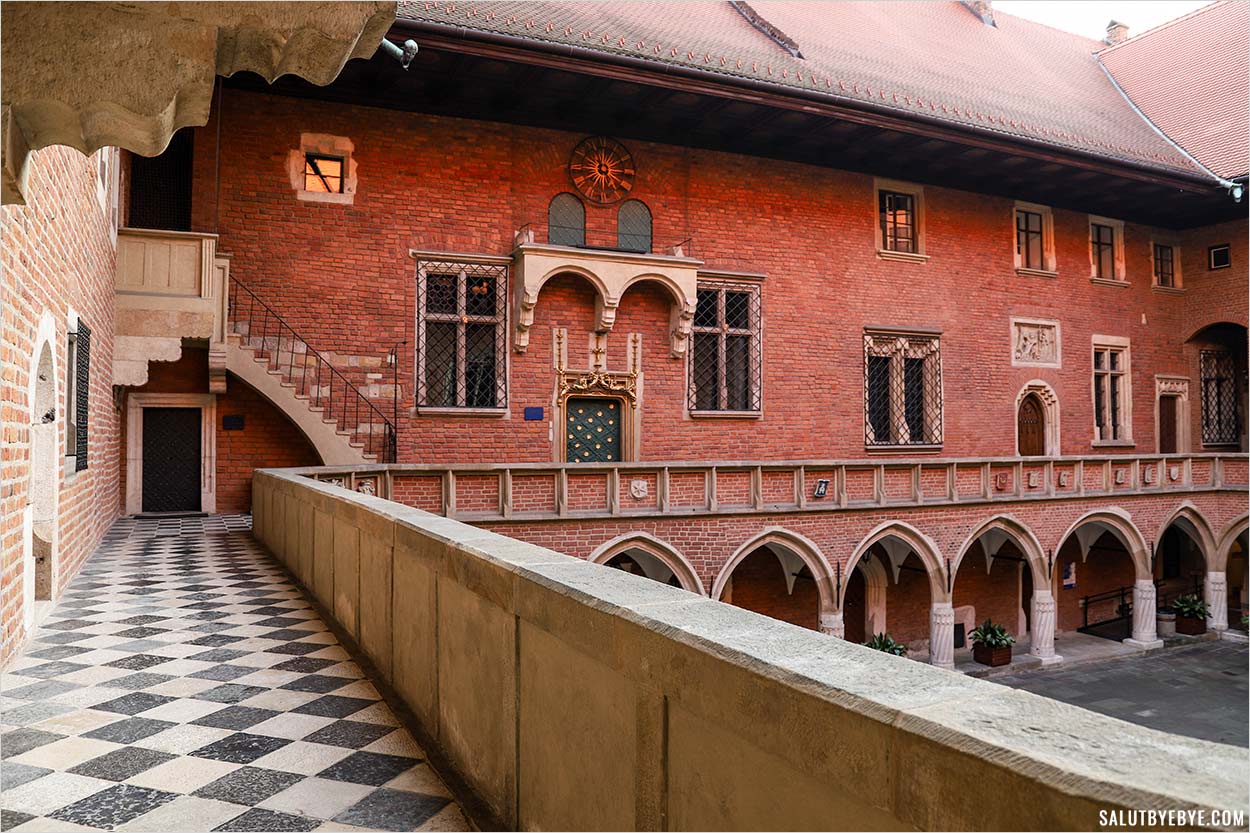
Founded in 1364, Jagiellonian University has counted among its students such famous figures as Nicolaus Copernicus. The Collegium Maius is arranged around a beautiful Gothic cloister with a paved inner courtyard, arcades, and a central well. I really liked this spot as a place to take a short, peaceful break between visits, sheltered from the noise of the main square.
The building houses a museum that displays old scientific instruments, globes, maps, and objects related to the history of knowledge. Some areas are only accessible on guided tours, which can be interesting if you're passionate about the history of science.
Don't miss the little animated clock in the courtyard either. At specific times (generally 9 a.m., 11 a.m., 1 p.m., 3 p.m., and 5 p.m.), small figurines representing historical figures from the university briefly parade past. It's not a grand spectacle, but it's a charming little tribute to the institution's long history.
Address: Golebia 24, 31-007 Krakow. Information and hours here (hours and visiting conditions change, so be sure to check before you go).
The Czartoryski Museum and Lady with an Ermine
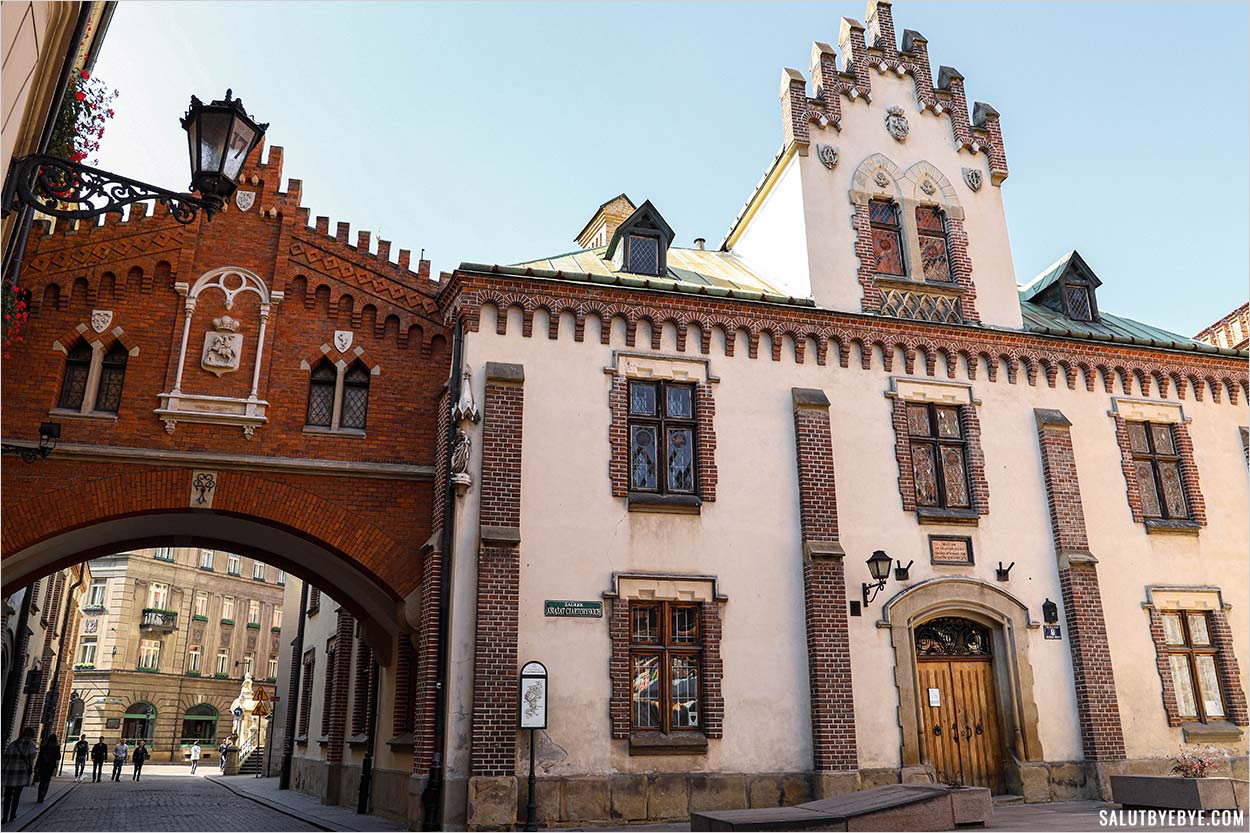
The Czartoryski Museum is one of Krakow's best-known art museums, largely because it houses Leonardo da Vinci's famous Lady with an Ermine. It is one of the few Da Vinci works kept outside Italy and France, which makes it a major draw for art lovers.
The museum takes its name from the Czartoryski family, a prominent Polish aristocratic family who built up an important collection of European art. In addition to Lady with an Ermine, you can see paintings, historical objects, weapons, and various heritage items here.
If you are not a huge art enthusiast, you can focus on the room where Leonardo da Vinci's painting is displayed and take the time to observe it quietly. The painting is smaller than we often imagine, but the model's gaze and the presence of the animal create a real face-to-face encounter with the work.
Conditions for visiting (opening hours, the need to book a time slot, possible renovation work) can change, so I recommend checking the official website before your trip, especially in high season.
Three churches not to miss in Krakow's historic center
The Catholic tradition is very strong in Poland, and you can really feel it in Krakow's Old Town, where church towers are numerous despite the small area. Besides St. Mary's Basilica, three other churches in the historic center are well worth a visit.
- St. Francis of Assisi: this church has suffered several fires and undergone several restoration campaigns, which today results in a rather unique mix of styles: Gothic, Neo-Gothic, and especially very beautiful Art Nouveau stained glass. These stained-glass windows are very different from what you see in other European countries. Pope John Paul II stayed in the neighboring monastery when he was in Krakow, and a plaque marks his "favorite spot" in the church.
- Holy Trinity Church: its architecture is a bit atypical for a religious building. Originally, it was a single nave to which side chapels were gradually added. The result is an interior with surprising volumes that feels different from more classical churches.
- Saints Peter and Paul Church: a very fine example of Baroque architecture, with a white façade adorned with statues and a richly decorated interior. It sometimes hosts concerts, which can be a lovely way to experience the acoustics of the place if you enjoy classical music.
On my first visit to Krakow, I did not expect to find so many churches so close to each other in the historic center. As you walk around Stare Miasto, you will quickly see that it would be difficult to visit all of them in detail. In my view, choosing two or three places that really speak to you is a good compromise, especially if your time is limited.

The Planty, the green belt surrounding the Old Town
The Planty is a large, tree-lined park that forms a green belt around Krakow's Old Town, on the site of the former city walls. It's one of the best places to take a truly quiet break during your visit to Stare Miasto.
The park stretches for about 4 km (about 2.5 miles), with shaded paths, benches, lawns, and a few statues. In practice, it circles Krakow's historic center completely: you can use it as a breather between two visits, walking through the Planty to reach another point in the center instead of sticking only to the shopping streets.
Seen from above, the Planty traces a heart-shaped outline around the Old Town, a detail you sometimes notice when landing by plane. I have a fairly vivid memory of my first arrival in Krakow: looking out the window, I realized how compact the historic center was, nestled inside this ribbon of greenery.

If you're traveling with children, the Planty can also serve as an impromptu playground, letting them run around a bit away from the crowds on Rynek Główny. In summer, the shaded areas are very welcome when the cobblestones of the Old Town have stored up the heat.

Smaller neighborhood spots to discover
Beyond the major landmarks, Krakow's Old Town is full of small squares and more discreet museums. They give you a more intimate feel for Stare Miasto, stepping a little away from the main thoroughfares.
- Mały Rynek: literally "small market," this is a little square located just behind Rynek Główny. There are regular markets, street food stalls (especially on weekends), and sometimes events. It's a good place to grab a few Polish specialties on the go in a friendly atmosphere.
- Plac Szczepański: a square a bit away from the busiest area, which really comes alive in the evening. People come here for a drink on a terrace, to meet up with friends, and sometimes to watch street performances near the fountain. If you're staying overnight in Krakow's historic center, it can be a nice idea for an evening outing.
- Hipolit House: this small museum lets you discover the interior of a Krakow bourgeois house at different periods. The rooms are reconstructed with furniture, everyday objects, and decorations. It's a fairly short visit but offers a lovely journey back in time. The place is still relatively under the radar, so you'll see fewer groups here than in other museums. Note: it is currently closed for renovation until 2028.
- Archaeological Museum: an interesting collection, including pieces from Ancient Egypt (including a mummy), which you don't necessarily expect to find in Krakow. The museum also has a somewhat hidden garden that offers a beautiful view of Wawel Cathedral. It's the kind of place where you may sometimes find yourself almost alone in the low season, which is quite a change from the intensity of Rynek Główny.
If you have two full days in Krakow's historic center, adding one or two of these "neighborhood" spots to your itinerary helps vary the atmospheres and gives you a better sense of what the city feels like in everyday life.
Where to eat in Stare Miasto
You can eat very well in Krakow's Old Town without blowing your budget, as long as you don't stick to the most touristy spots directly on the main square.
As in many historic centers, restaurants right on the edge of Rynek Główny often charge higher prices. In general, you just need to go a little farther out or turn onto a side street to see the bill drop significantly.
Some of my favorite places in Stare Miasto:
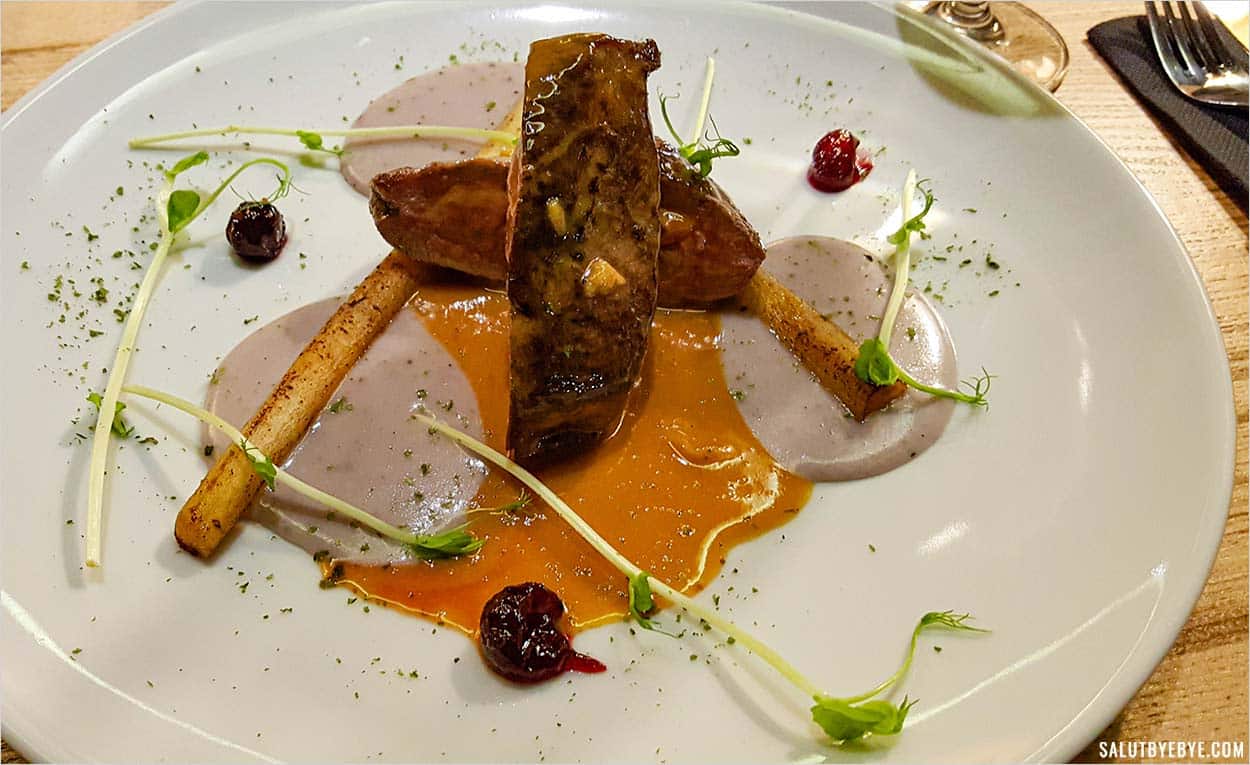
- Wierzynek: one of the city's most iconic restaurants, open since the 14th century. People come as much for the history as for the food. Prices are higher than average, but it makes for a lovely "special occasion" meal in a setting steeped in history, with a view over the square if you're lucky.
- Dobra Kasza Nasza: an interesting place to discover dishes based on kasza, groats (buckwheat, barley, etc.), which are one of the pillars of traditional Polish cuisine. It's hearty, simple, and tasty, and it's a nice change from classic pierogi if you feel like trying something different.
- Sioux: a restaurant with a more American vibe, often appreciated if you're traveling with teenagers or if you feel like taking a break from local cuisine. It's not the most traditional, but the food is very good.
- Pimiento Argentino Grill: a good option for meat lovers. The grilled dishes are well prepared, and it's a pleasant choice if you're in the mood for a more substantial meal after a long day of walking.
- Piwnica Pod Baranami: best known as a legendary bar set in a vaulted cellar under the square. The brick walls, arches, and cozy atmosphere all come together to create a warm setting for an evening drink. The place also has a history tied to Krakow's artistic and cabaret scene.
- E. Wedel: a major Polish chocolate house, perfect for a sweet break. You can enjoy thick hot chocolate, pastries, and pick up a few bars as souvenirs. During my winter stay in Krakow, I spent quite a bit of time there, happy to warm up between two icy walks.
- Nago Sushi & Sake: a quality sushi and Japanese restaurant, with good cocktails, located just outside Stare Miasto.
In general, I recommend taking a look at the menus before you go in, to check prices and see whether there are any additional service or music charges. Menus are often displayed clearly, which makes comparisons easier.
Practical information for visiting Krakow's Old Town
Krakow's Old Town is very easy to visit, but a few practical reference points will help you organize your time and budget as efficiently as possible.
How much time should you plan to visit Stare Miasto?
Plan on at least a full day to get a good overview of Krakow's Old Town, and two days if you want to visit several museums and monuments within it.
In 1 day, you can:
- Walk the Royal Route from the Barbican to Rynek Główny;
- Go inside St. Mary's Basilica and climb the tower;
- Take a look at the Rynek Underground and the Collegium Maius;
- Stroll a bit in the Planty;
- End the day with dinner in Stare Miasto.
In 2 days, you'll have time to:
- Visit Rynek Główny and several museums (Czartoryski, Hipolit House, Historical Museum, etc.) at a more leisurely pace;
- Go inside 2 or 3 different churches;
- Walk all the way around the Old Town through the Planty;
- Enjoy the evenings on the small squares even more.
It also depends on your pace: if you like taking lots of photos or spending time in museums, don't expect to "do" Stare Miasto in 2 hours; it would be a shame.
Opening hours and prices for the main sites
Opening hours and prices change regularly, but here are a few reference points to help you plan your budget. The amounts below are indicative for 2026, in Polish zlotys (PLN).
| Place | Type of visit | Price range | Good to know |
|---|---|---|---|
| St. Mary's Basilica | Visit of the church, access to the altarpiece, optionally a climb up the tower | Around 20 PLN for the church visit, extra charge for the tower | Opening hours vary depending on services, modest dress recommended, book the tower in advance in high season. |
| Rynek Underground | Underground museum beneath the square | Around 45 PLN | Number of entries limited per time slot, booking recommended, audio guides often available. |
| Collegium Maius | University museum, self-guided and guided tours | Variable price depending on the exhibition and type of visit (from 17 PLN) | Animated clock at set times, guided tours to be checked on the official website. |
| Czartoryski Museum | Art collection, including Lady with an Ermine | Price in the higher range for museums in Stare Miasto (65 PLN) | May require a reservation, check for any renovation work or temporary loans of artworks. |
| Hipolit House (closed until 2028) | Recreated bourgeois townhouse | Modest price (around 14 PLN) | Fairly short visit, useful if you need to take shelter in case of rain. |
Most museums in Krakow offer free admission days once a week or once a month. The specific days can sometimes change from year to year, so if your budget is tight, it's best to check up-to-date information before your trip.
How to get to Stare Miasto from the train station or the airport
Stare Miasto is very easy to reach by public transportation, whether you arrive by train or by plane.
From Krakow main train station (Krakow Glowny)
If you arrive by train, the good news is that Krakow Old Town is just a few minutes away on foot. When you leave the station through the large adjoining shopping mall (Galeria Krakowska), you quickly reach the Planty.
- Walking time: about 10 to 15 minutes to Rynek Glowny, depending on your pace and your luggage.
- Route: walk through Galeria Krakowska, exit on the city-center side and head towards the Barbican and St. Florian's Gate. You'll then be at the northern end of the Old Town.
If you have heavy luggage or don't really feel like walking, trams also run around the center, but for a first arrival the walk is perfectly manageable and lets you soak up the atmosphere right away.
From Krakow Airport (KRK)
From the airport, you can reach Krakow's historic center by train, bus, or taxi/private transfer.
- Train: a train links the airport to Krakow main station in roughly twenty minutes or so. It's often the ideal compromise between travel time, price, and comfort. Once you arrive at Krakow Glowny, you can continue on foot to Stare Miasto.
- Bus: bus 300 is the most convenient for getting to the Old Town. Buses are a bit slower than the train but are still economical.
- Taxi or ride-hailing service: the most direct option, especially if you arrive late in the evening or with young children and a lot of luggage. The price is higher but generally still reasonable compared with other major European cities. Make sure you take an official taxi or book a ride through a reputable app.
For a detailed look at all the options between Krakow Airport and the city center, I recommend checking my dedicated airport transfer guide, as frequencies and prices can change quickly in 2026.
Getting around Krakow's Old Town
Krakow's historic center can be explored entirely on foot: the streets of Stare Miasto are pedestrian or have very limited traffic.
If you want to extend your visit to other neighborhoods (Kazimierz, Podgorze, etc.), the tram and bus network is very efficient. In practice:
- The Teatr Bagatela or Poczta Glowna stops are good entry points for reaching the Old Town from other parts of Krakow;
- Tickets can often be purchased from machines at the stops or directly on board (depending on the line and vehicle);
- Public transport apps in Poland, such as Jakdojade, are very useful for finding the right route in real time.
Recommended time per site in Stare Miasto
Here is an idea of the average time to allow for the main sights in Krakow's historic center, to help you build your itinerary without overloading it.
| Place | Average duration | Best suited for |
|---|---|---|
| Rynek Glowny (walk, Cloth Hall, square) | 1 to 2 hours | Everyone, perfect for a first immersion in the Old Town. |
| St. Mary's Basilica | 30 to 60 minutes | Heritage lovers, the curious, interior photography enthusiasts. |
| Rynek Underground | 1 hr 30 to 2 hrs | History buffs, families with curious children. |
| Collegium Maius | 1 hr to 1 hr 30 | Those interested in the history of science and universities. |
| Czartoryski Museum | 1 hr to 2 hrs depending on your interest in painting | Art lovers, visitors who want to see Lady with an Ermine. |
| Hipolit House (currently closed) | 45 minutes to 1 hr | People curious about everyday life and furniture of the past, looking for a short visit. |
| Planty (partial walk) | 30 minutes to 1 hr | Anyone in need of a green break, families, leisurely strollers. |
Should you book a guided tour of Krakow's Old Town?
A guided tour is a good idea if you want to quickly grasp the history of Krakow's Old Town. It gives you context if you're only staying a short time or if you're at the start of your trip, before heading off to explore at your own pace what interests you most.
- A walking tour available in English for a first exploration of the historic center, especially if you only have a few days there - for example, you can take a look at this Krakow Tours itinerary offered in English;
- More original options if you like playful experiences or don't feel like walking (Segway tour, electric buggy / golf cart, etc.).
These options let you take in the essentials of Stare Miasto in a few hours, with explanations and anecdotes.
Traveler's Memo for visiting Krakow's historic center
I hope this guide helps you prepare your exploration of Krakow's Old Town and better understand what lies behind its colorful façades. Stare Miasto is an easily accessible, vibrant historic heart where you can either pack in cultural visits or simply let yourself be swept along by the atmosphere of its streets. It's now up to you to imagine your own route.


