

If you are planning a stay in Ghent in Belgium, a visit to the belfry is one experience you should not miss. This medieval tower, listed as a UNESCO World Heritage Site, dominates the historic center and offers a 360° panoramic view over Ghent, with Saint Nicholas' Church and the rooftops of the old town in the foreground.
But the belfry is not just a beautiful viewpoint: this civic tower also tells part of the history of Ghent and the autonomy the city gained in the Middle Ages. In this article, I explain what you see inside and at the top of the belfry, while also giving you the practical information you need to plan your visit.
- Allow about 1 hour to visit the Ghent belfry, explore the interior, and enjoy the view from the top.
- The ticket costs 13 € (about $14 / £11) for an individual ticket in 2026. Admission is free with the CityCard Gent and for children up to 12 years old.
- At the top of the belfry, outdoor galleries let you enjoy a panoramic view over Ghent and its main monuments in the historic center.
- Part of the climb can be done by elevator from the first floor. However, the belfry is not accessible for people with reduced mobility.
- If you can, come on Sunday between 11 am and 12 pm: that is when the city's carillonneur plays the belfry's carillon.
The Ghent belfry at a glance
The Ghent belfry is a medieval tower 91 meters high (about 299 ft), located right in the historic center. Today it houses a visitor route focused on the history of the monument and a panoramic platform with a 360° view over the city.
Where is the belfry located in downtown Ghent?
The belfry stands right next to Saint Bavo's Cathedral and Saint Nicholas' Church, in the heart of Ghent's old town. The three towers form an iconic alignment that you will quickly notice when you arrive in the historic center. This alignment is called "the three towers", or "Drie Torens" in Dutch.
If you want to photograph this view, the best vantage point is from Saint Michael's Bridge, which offers a clear line of sight to the cathedral tower, the belfry, and the tower of Saint Nicholas' Church. It is a place I often go back to when I pass through Ghent, whether in the middle of the day or at nightfall.

What is the history of the Ghent belfry?
Construction of the Ghent belfry began around 1313, when Ghent was an important commercial city in Flanders. A civic rather than religious tower, it became a symbol of the city's autonomy: at the beginning of the 15th century, the charters and privileges that guaranteed its rights and freedoms were kept there. From 1442 onward, watchmen were also stationed in the tower to monitor the city and give the alarm, especially in case of fire.
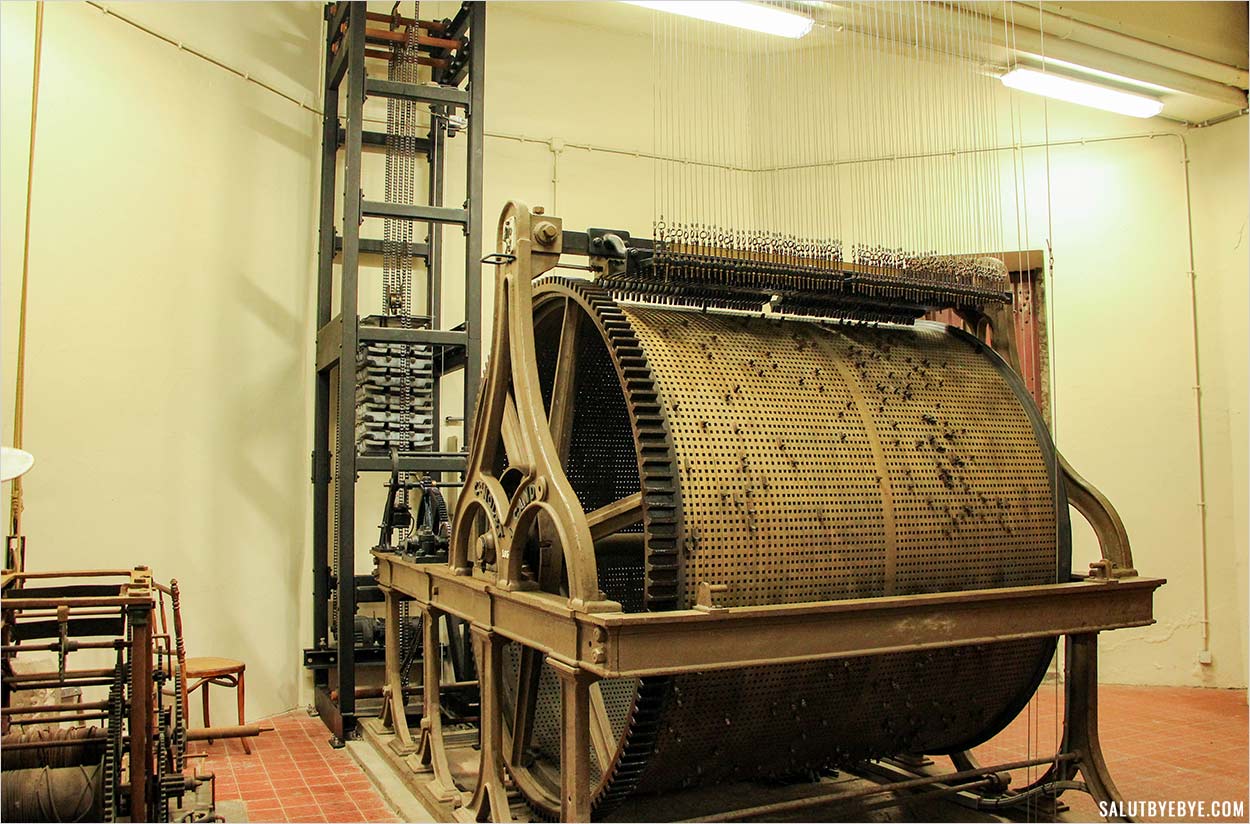
The bells made it possible to raise the alarm, but they were also used to mark daily life in the city. Over time, the belfry was fitted with a carillon, which is still used today. The carillonneur can play it manually, while a mechanical drum automatically triggers a melody every quarter of an hour.
If you are in Ghent on a Sunday, the carillonneur plays every week from 11 am to 12 pm. I really enjoyed going to listen to him during my first visit, a brief moment of lightness in the historic center:
You can also see the imposing Roland bell near the tower, now installed on Emile Braunplein.
Since 1999, the Ghent belfry has been listed as a UNESCO World Heritage Site along with other Belgian belfries. The listing was extended in 2005 to French belfries. These civic towers bear witness in particular to the rise of municipal power and the freedoms gained by cities in the Middle Ages.
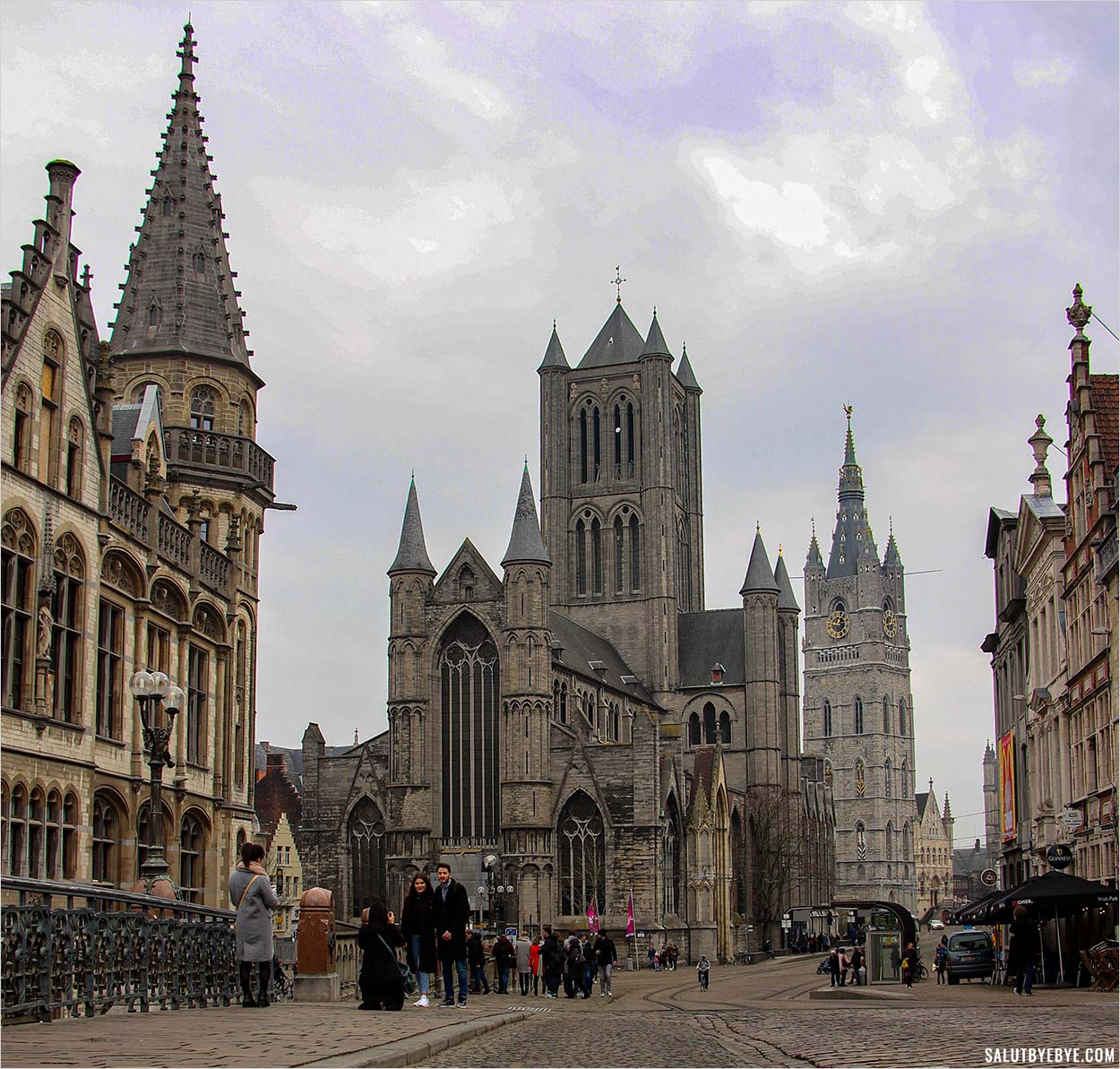
What can you see from the top of the Ghent belfry?
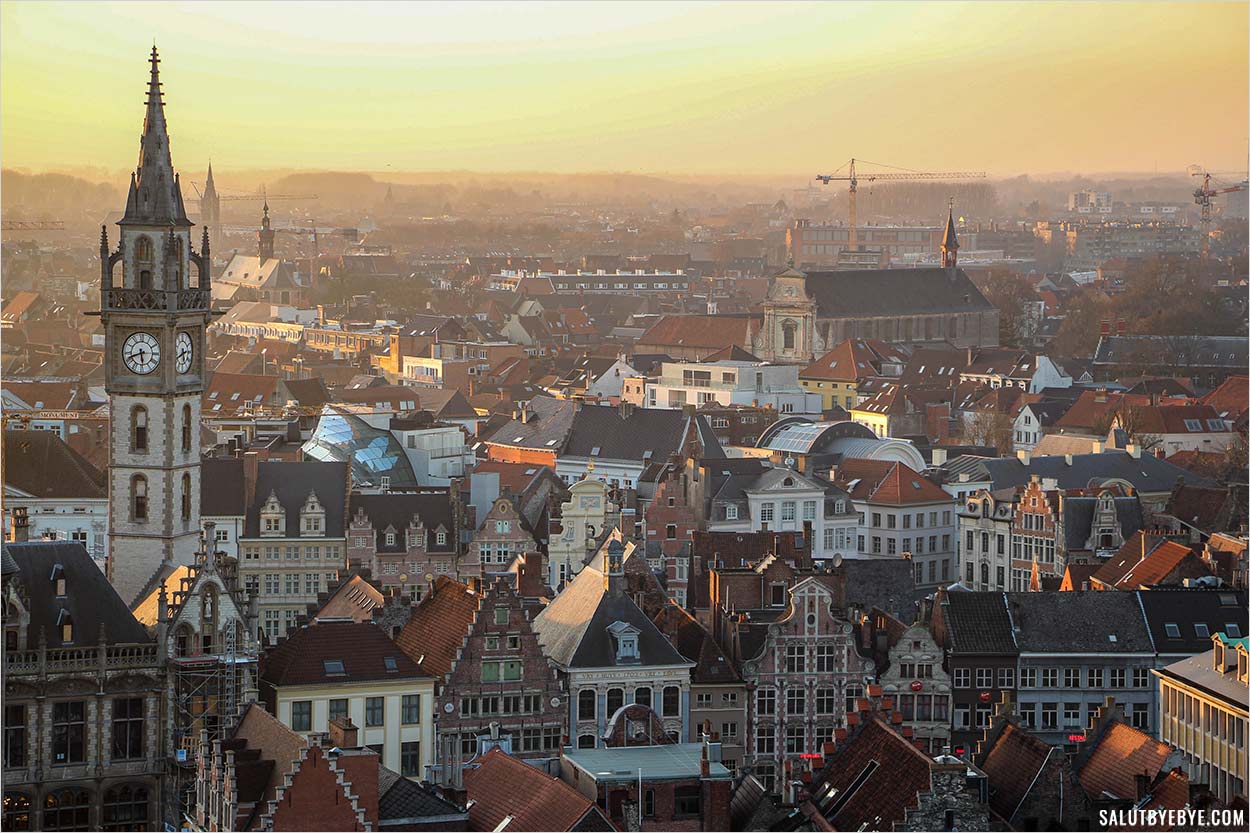
At the top of the belfry, open-air galleries let you look out over Ghent in every direction. For me, this is one of the main reasons to visit: you immediately get a feel for the historic center, with its churches, rooftops, and canals, but also for the much less touristy neighborhoods on the horizon.
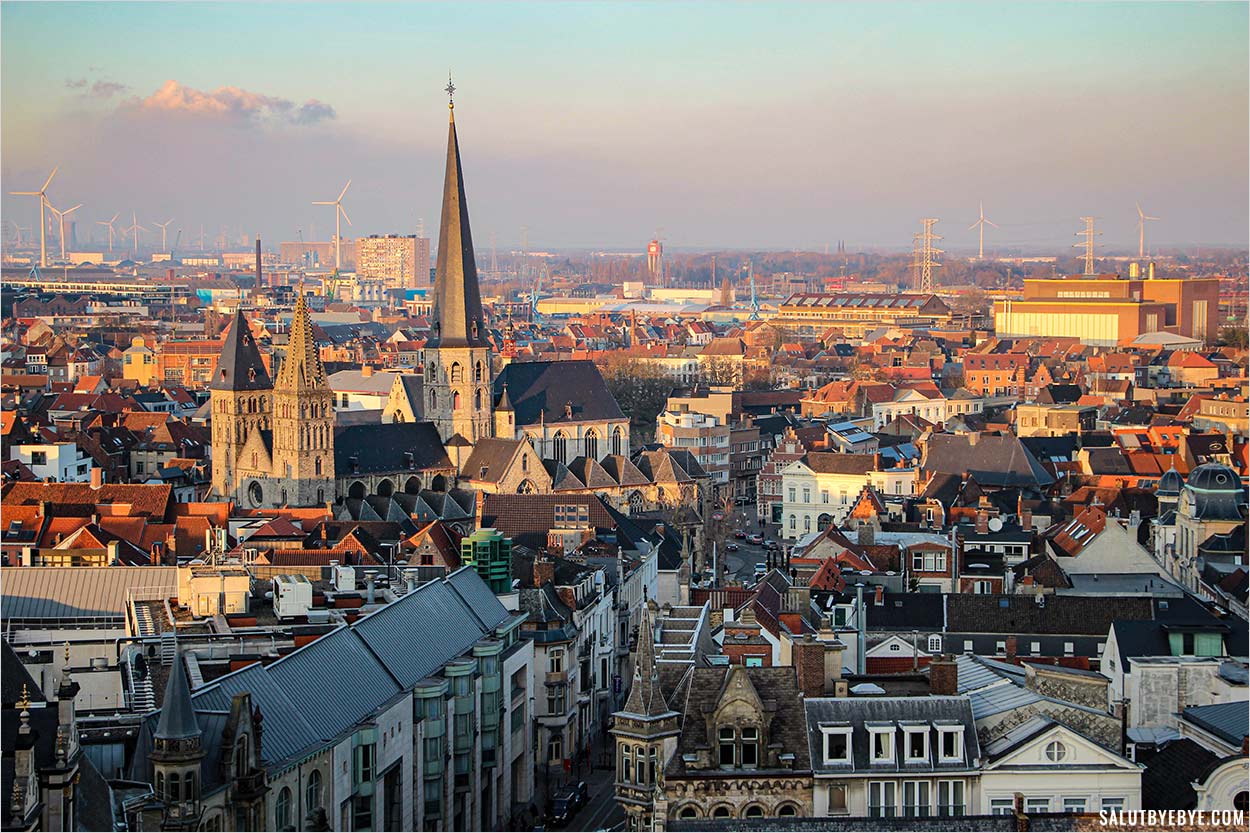
Right in front of you, you look down on Saint Nicholas' Church and, behind it, you can see Saint Michael's Church. It is one of the most beautiful viewpoints in the panorama.
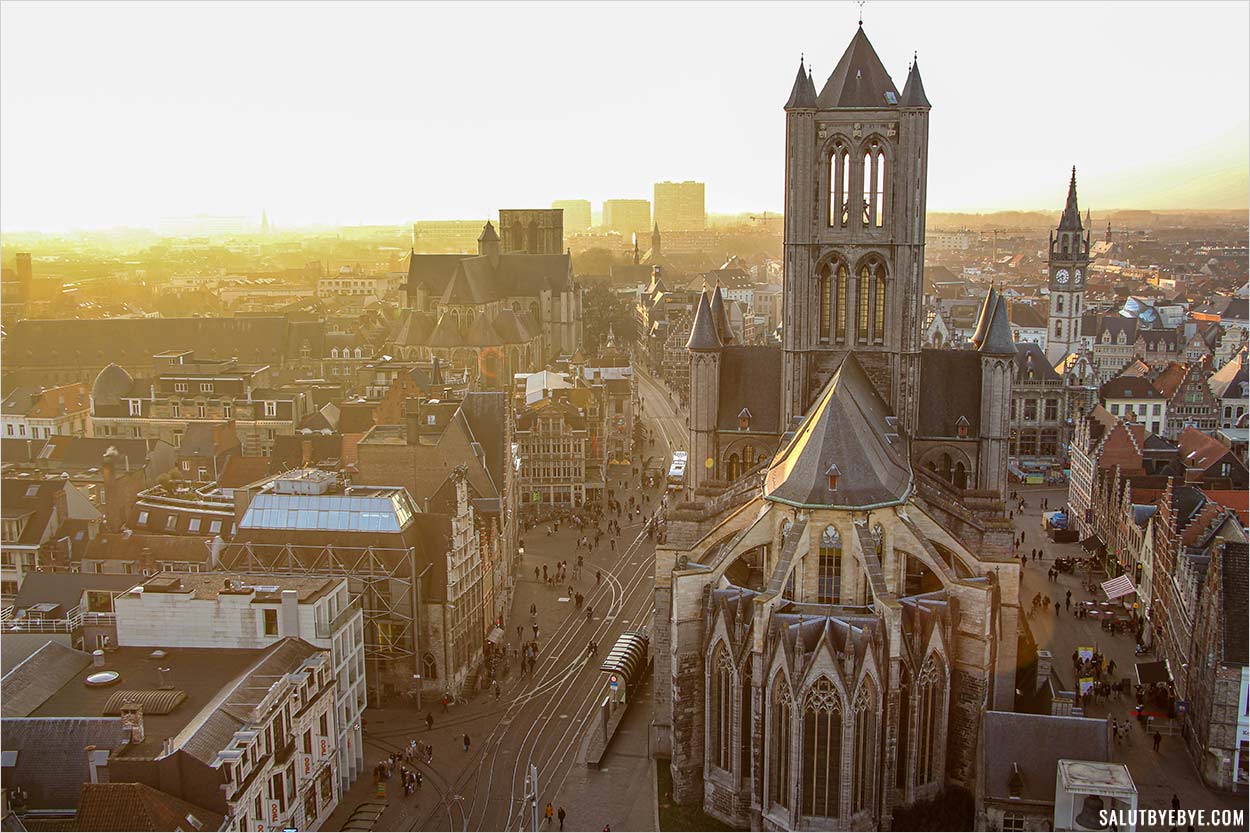
You will also spot the former post office building, recognizable by its clock tower, another distinctive landmark in central Ghent. Today this building has been turned into a shopping mall, but at the beginning of the 20th century it was the heart of the local postal system, with the first horse-drawn trams stopping there. It is a good example of how Ghent reuses its historic buildings while integrating them into everyday life.
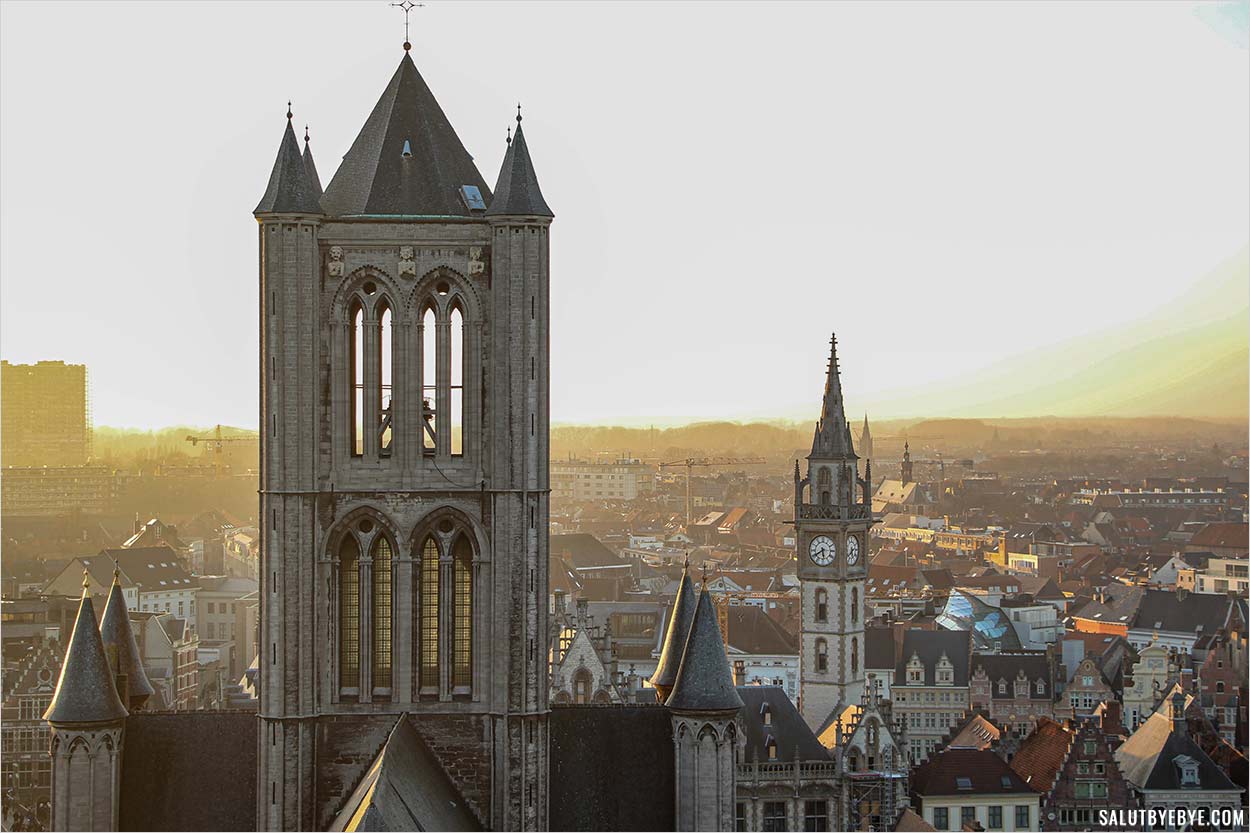
In the same direction, you can also see Saint Michael's Church, which rises above the rooftops near the river Leie (Lys).
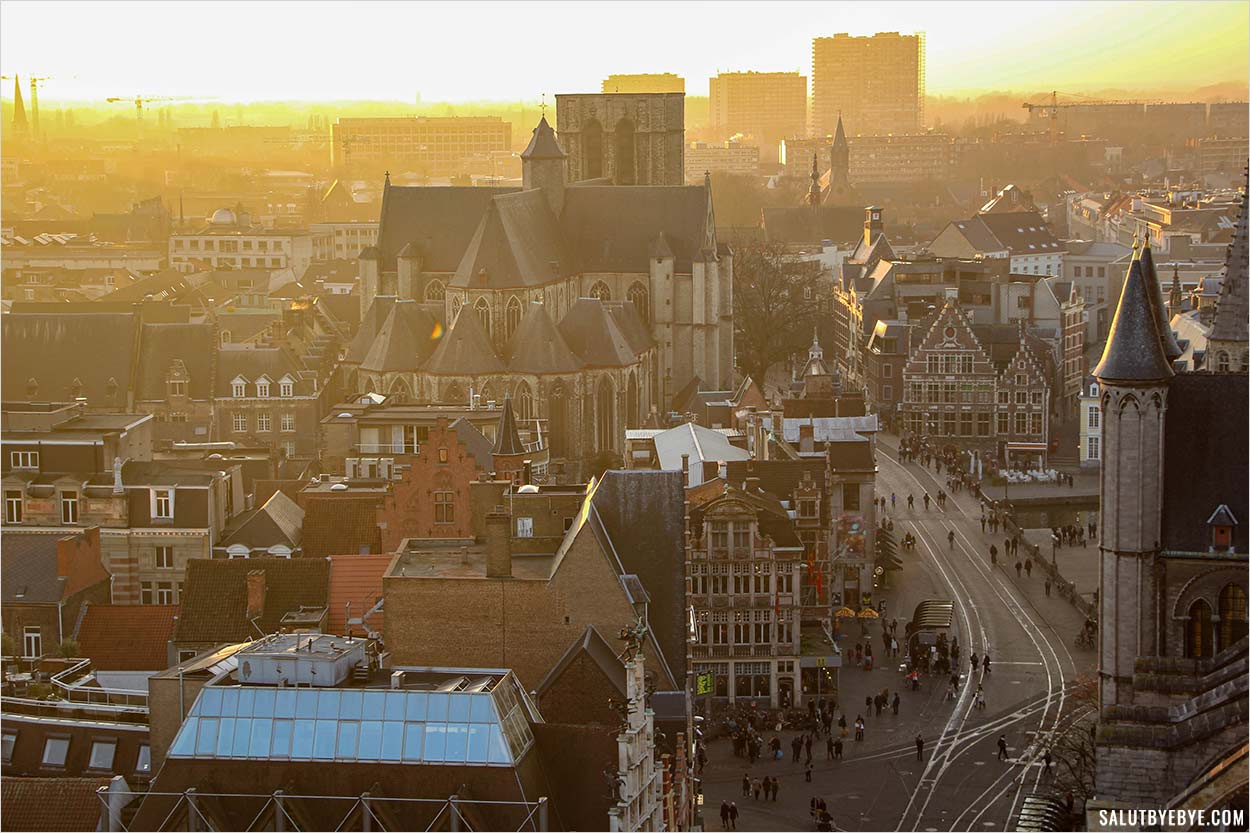
As you continue around the galleries, you can also see the Sint-Jacobskerk (Saint James' Church) and neighborhoods farther away from the historic center.
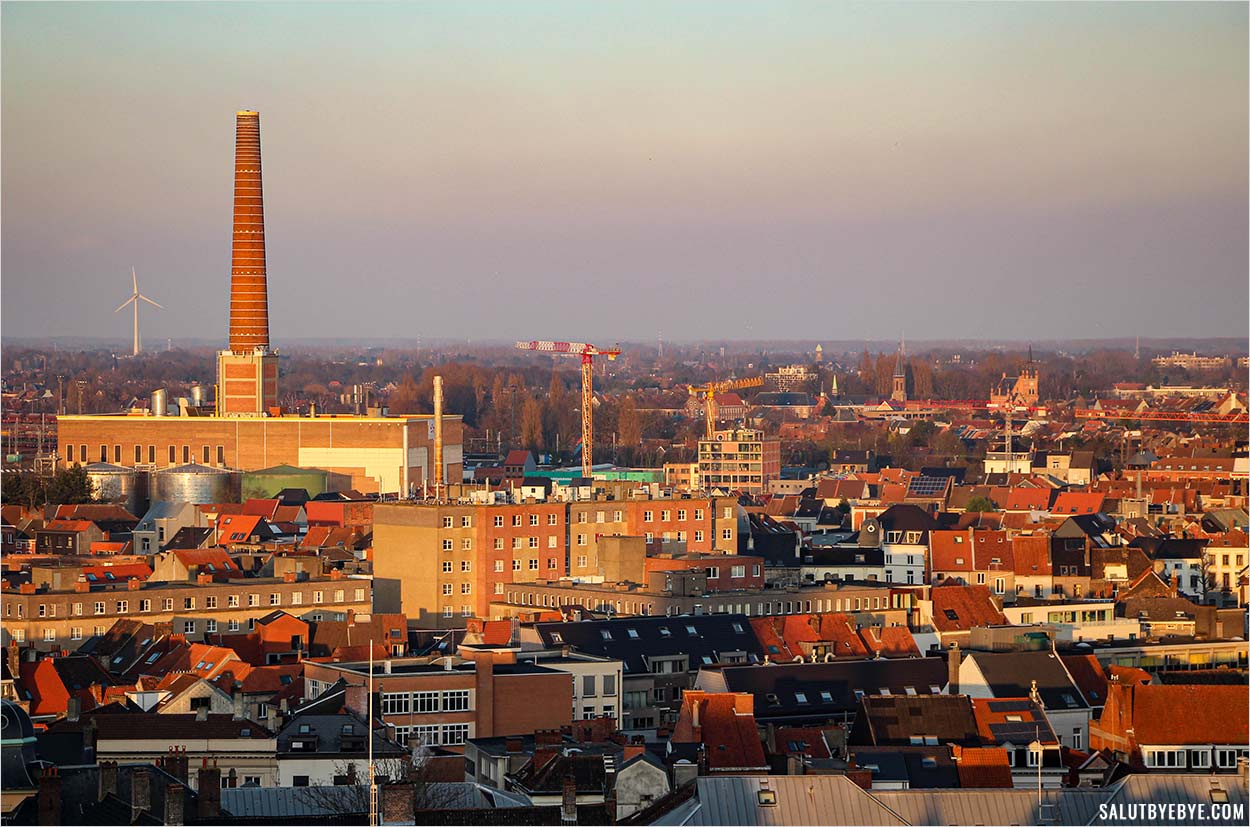
You also get an interesting view of a more industrial area of Ghent, with the SPE thermal power plant. It used to supply the city's district heating system and has now been transformed into a cultural complex, "De Centrale." I really liked this view because it is a reminder that Ghent is not just a medieval postcard, but also a city that keeps reinventing itself.
Finally, you can make out Gravensteen Castle, set in the heart of the city. Seen from above, you get a particularly clear sense of its position in the middle of Ghent's urban fabric.

What can you see inside the Ghent belfry?
The visit to the belfry is not just about the panorama: as you make your way up, you discover several elements related to the history and operation of the tower, including old bells, a dragon, the clock mechanism, and the carillon.
The dragon, symbol of the belfry
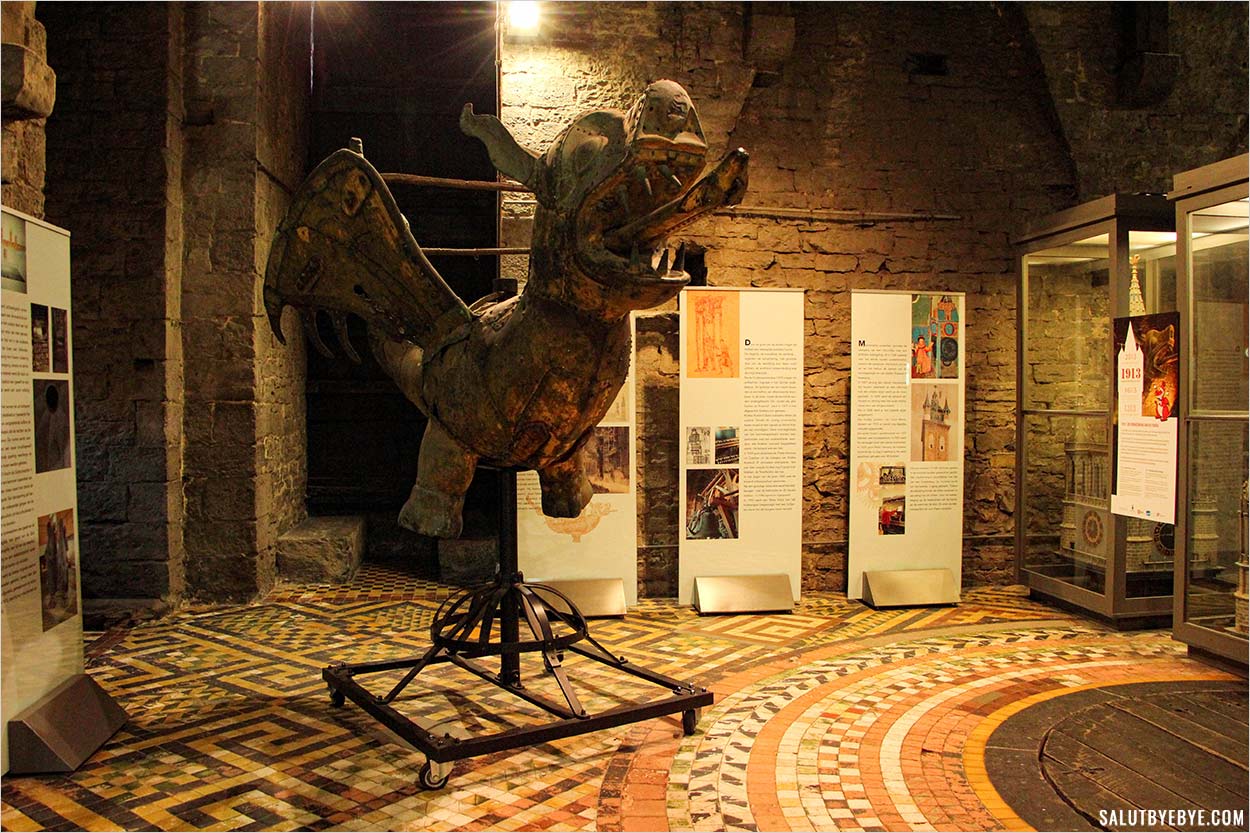
Among the items on display inside is one of the belfry's former dragons. The presence of this mythical creature at the top of the tower dates back to 1377: even today, a golden dragon looks out over Ghent from the spire and remains one of the monument's most recognizable symbols.
The clock and carillon
The tour also lets you see the clock mechanism. A first wooden clock was already installed in the belfry in 1380; the current mechanism dates from 1913 and still has to be wound by hand every day.
The belfry also houses the Ghent carillon that I mentioned earlier. First installed in 1552 with 18 bells, it now has 54, for a total weight of more than 30 tons.
The route then continues up to the outdoor galleries, where you once again find the panoramic view over Ghent.
How to visit the Ghent belfry?
The Ghent Belfry is self-guided, and the visit takes about an hour. An elevator lets you cover part of the climb, but you still need to take the stairs to go through the monument and reach the viewpoint.
How the visit is organized and time to allow
Plan for about an hour to explore the inside of the belfry and enjoy the panorama without rushing.
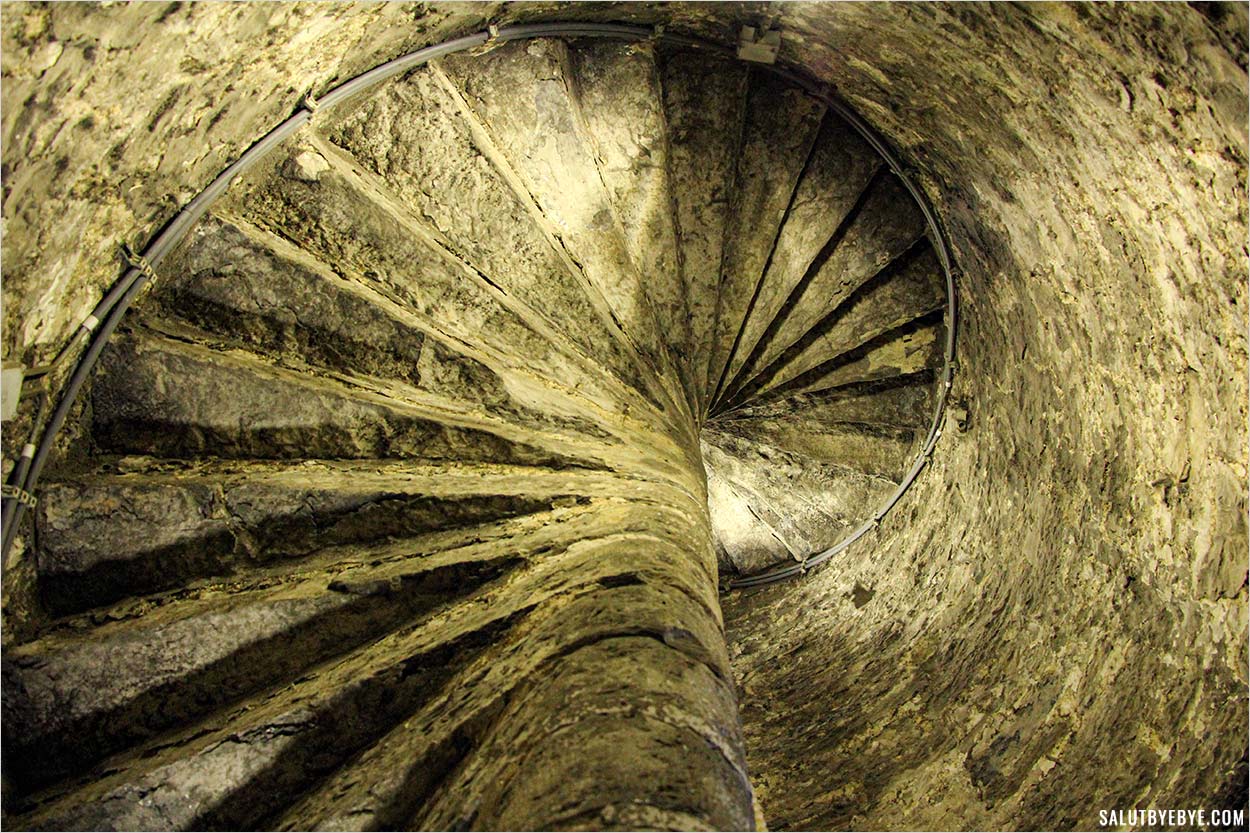
The belfry has 254 steps up to the top, but don't worry: you don't have to climb them all. After the first hundred or so steps to reach the first floor, an elevator lets you continue the ascent. However, the monument is still listed as not accessible to people with reduced mobility on the official website.
Opening hours of the belfry
The Ghent belfry is open every day from 10am to 6pm, with last entry at 5:30pm. Hours may be adjusted on certain specific days: check them on the official website before your visit.
If you would like to hear the carillon played by the city's carillonneur, Sunday is particularly interesting: he plays from 11am to 12pm.
What is the entrance fee for the Ghent belfry?
In 2026, admission to the belfry costs €13 (about $14 / £11) at the full rate. Entry is free with the CityCard Gent, which can be worthwhile if you plan to visit several monuments and museums during your stay.
Reduced rates and free admission are also available depending on the visitor's age and profile: check the official belfry ticket office to find out the price that applies to your situation.
Visiting the Ghent belfry with children
The belfry has also created a special route for children: at the ticket office, ask for the "Little Guide", a small free treasure hunt available in particular in French. Children become dragon keepers and have to solve puzzles and missions as they go through the tower in search of a dragon egg.
Should you visit the belfry or Saint Bavo's Cathedral first?
If you have to choose between the two, give priority to the Ghent belfry for the panorama and to Saint Bavo's Cathedral if you are more drawn to art, religious architecture, and history. The latter notably houses the famous altarpiece of The Adoration of the Mystic Lamb by the Van Eyck brothers.
The two monuments are located just a few dozen meters (a few dozen yards) from each other and are therefore very easy to combine. Personally, I find the two experiences very complementary: the belfry lets you gain some height and understand the city as a whole, while the cathedral invites you more to look at the artworks and architectural details. If you would like to visit the latter, you can find all my tips in my article dedicated to Saint Bavo's Cathedral in Ghent.
The traveler's memo for the Ghent belfry
Here are the answers to the most common questions about visiting the Ghent belfry.
For me, the main attraction of the belfry really is the view over Ghent: the interior visit gives you a few useful points of reference about the history of the tower, its clock, and its carillon, but it is mainly the panorama that makes the climb worthwhile. Since the visit is quite short and the belfry is located right in the historic center, it fits very easily into a day in Ghent, especially before or after Saint Bavo's Cathedral.


