

Want to visit Poland? This Central European country still flies somewhat under the radar on European tourist routes, even though it offers a fascinating mix of historic cities, natural landscapes, and major memorial sites.
On this page, I've brought together my main travel guides to Poland, based on my trips there. You'll find ideas for cities to visit, must-see places around Krakow, tips for planning your itinerary, and practical information to prepare for your trip.
If you're planning a stay in Poland, this will help you quickly identify which cities are worth a stop, which excursions to take from Krakow, and useful resources to organize your visit.
- Poland combines historic cities, memorial sites, and natural landscapes, which makes it a very diverse destination.
- Krakow is often the best gateway for a first trip to the country.
- There are many excursions around Krakow: Auschwitz-Birkenau, the Wieliczka Salt Mines, castles, and the Tatra Mountains.
- The cost of living is still lower than in many Western European countries, especially for accommodation and food.
- You can easily organize your trip independently or through guided excursions, depending on your preference.
First pointers for visiting Poland
Starting to plan your trip to Poland? This selection brings together content to help you discover the country, choose a first destination, and understand what makes a stay in Poland appealing before diving into more specific guides.

Which city to visit in Poland?
Several Polish cities are great gateways for discovering the country. If you're planning a first trip to Poland, some destinations are particularly well suited to a stay of a few days.
Here are three cities I've had the chance to explore and for which you'll find detailed guides on the blog.
- Krakow: a former royal capital, it's one of the most beautiful cities in Central Europe, with a perfectly preserved medieval historic center.
- Wroclaw: a very pleasant city built on several islands, famous for its bridges and the little dwarf statues scattered all over town.
- Zakopane: an ideal destination if you want to discover the Polish mountains and the landscapes of the Tatras.


What to visit in Poland? The must-sees
Poland has many historical and cultural sites that help you better understand the country's history. Many of these visits can be organized easily from Krakow, which often serves as a base for exploring the region. On the blog, you'll find detailed guides to prepare these visits independently or with an organized excursion.

Visit to the fascinating Ksiaz Castle in Poland
Lire la suite
Visiting Krakow’s Rynek Główny: a complete guide to the main square and the Cloth Hall
Lire la suite
Visit to St. Mary’s Basilica in Krakow, Poland
Lire la suite
Exploring Kazimierz, the vibrant Jewish quarter of Krakow
Lire la suite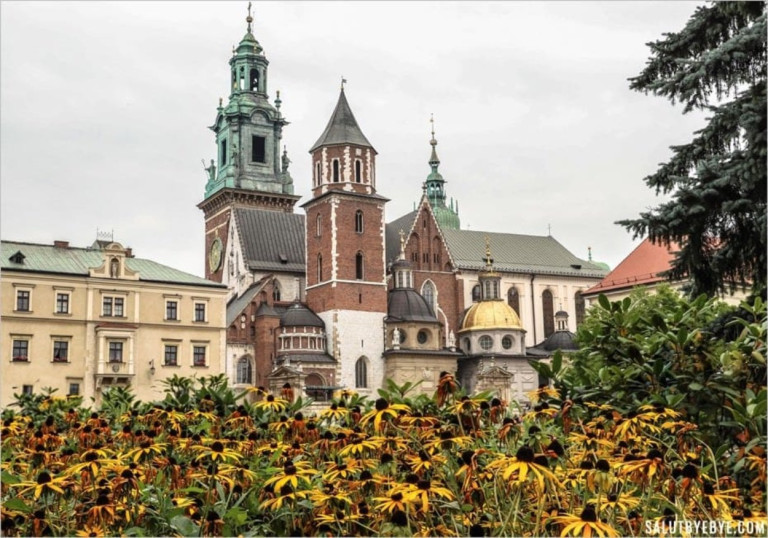
Tour of Wawel Castle in Krakow: A complete guide to planning your visit
Lire la suite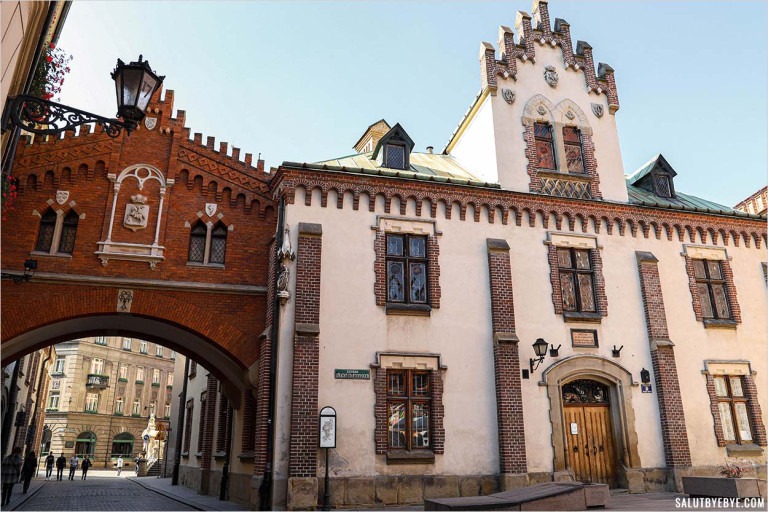
Visiting Krakow’s old town, Stare Miasto: what to see and know
Lire la suiteWhere to stay in Poland?
Finding accommodation in Poland is generally quite straightforward, with a wide range of options from boutique hotels to very well-located apartments in historic centers.
Hotel prices, like food in restaurants, have the major advantage of often being more reasonable than in many other European destinations. This sometimes makes it possible to choose a very central place to stay or more comfortable accommodation without blowing your budget.
In the guides below, I explain which neighborhoods to stay in depending on your travel style, the advantages of each area, and a few tips for choosing well-located accommodation.

How to get to Poland and get around once there?
Organizing transportation for a trip to Poland is relatively simple, whether you arrive by plane, train, or car.
Once you are there, several options make it easy to get around: public transportation, trains between the main destinations, or organized excursions for some of the popular visits around the major cities.
In the articles below, you will find practical advice on getting to Poland, going from the airport to the city center, and organizing your travel during your stay.

Other ideas for places to visit in Poland
If you have already picked out a few must-sees for your trip, you can round out your itinerary with other interesting places to discover.
Some of the articles below explore historic districts, museums, or memorial sites, while others offer original viewpoints on certain cities or less well-known visits.
These guides can help you enrich your travel plans in Poland and step a little outside the most classic routes.

Visiting the Old Cemetery of Zakopane, Peksowy Brzyzek, in Poland
Lire la suite
Birkenau: walking through the vastness of the extermination camp
Lire la suite
Visiting Auschwitz I: my experience at the memorial and museum
Lire la suiteItinerary and day trip ideas in Poland
If you have several days on site, it can be worthwhile to build an itinerary that combines time in the city, historical excursions, and natural landscapes. Here are some resources that can help you plan your stay.

A few practical details about Poland
Before you leave for Poland, a few practical points can help you prepare for your trip.
| Useful information | Good to know when planning your trip |
|---|---|
| Currency | The Polish zloty (PLN). As an indication, 1 PLN is worth about 0.22 to 0.24 euro (around 0.24 to 0.26 USD or 0.19 to 0.20 GBP) depending on the exchange rate. |
| Electrical outlets | Type E, 220 V / 50 Hz, identical to those used in France. |
| Language | Polish is the official language. English is widely understood in the major cities and tourist areas. |
| Population | About 38 million inhabitants. |
Why travel to Poland?
Poland offers a great variety of travel experiences within a relatively compact area. In just a few hours, you can go from a lively historic city to a mountain landscape or a primeval forest.
Some of the reasons that make you want to discover the country:
- Very rich historical heritage, with remarkably well-preserved medieval cities like Krakow or Gdansk.
- Important sites of remembrance for understanding European history, in particular Auschwitz-Birkenau.
- Varied natural landscapes: the Tatra Mountains, ancient forests like Bialowieza, or the lakes in the north of the country.
- A cost of living that is still reasonable, which often allows you to travel comfortably without blowing your budget.
- An overall safe destination, including for solo travel.
During my trips to Poland, I was also struck by the balance between the historical richness of the places and the vitality of today's cities. Krakow, for example, blends heritage and cultural life very well, with a particularly pleasant atmosphere.
A few nuances, though: the climate can be quite cold in winter, and some historical sites can be emotionally intense to visit. Finally, as soon as you move away from tourist areas, the language barrier can sometimes make communication more difficult, even though translation apps make things much easier today.
What are the entry requirements for traveling to Poland?
For a tourist stay in Poland, the formalities are relatively straightforward.
- Citizens of the European Union: a valid ID card or passport is sufficient to enter the country.
- Non-EU citizens: a passport is required, usually valid for at least 3 months after your return date. Many nationalities can stay for up to 90 days without a visa.
- Driving: if you are an EU citizen, your national driver's license is valid in Poland.
Poland is part of the Schengen Area. Border checks are therefore generally nonexistent for travelers coming from other Schengen countries.
What is the best season to visit Poland?
The best time to go depends largely on the type of trip you have in mind.
- June to August: the warmest temperatures and long days, ideal for exploring cities.
- April, May, September, and October: often very pleasant, with fewer tourists.
- December to February: the winter season lets you enjoy the ski resorts in the Tatras.
Keep in mind, however, that winters can be very cold, with temperatures regularly below freezing. Some tourist sites also adjust their opening hours during this period.
Traveler's memo for visiting Poland
Exploring Poland at your own pace
Poland is a destination that often holds pleasant surprises for travelers who take the time to explore it.
Between historic cities, mountain landscapes, memorial sites, and culinary discoveries, there is more than enough to create a varied and engaging itinerary.

